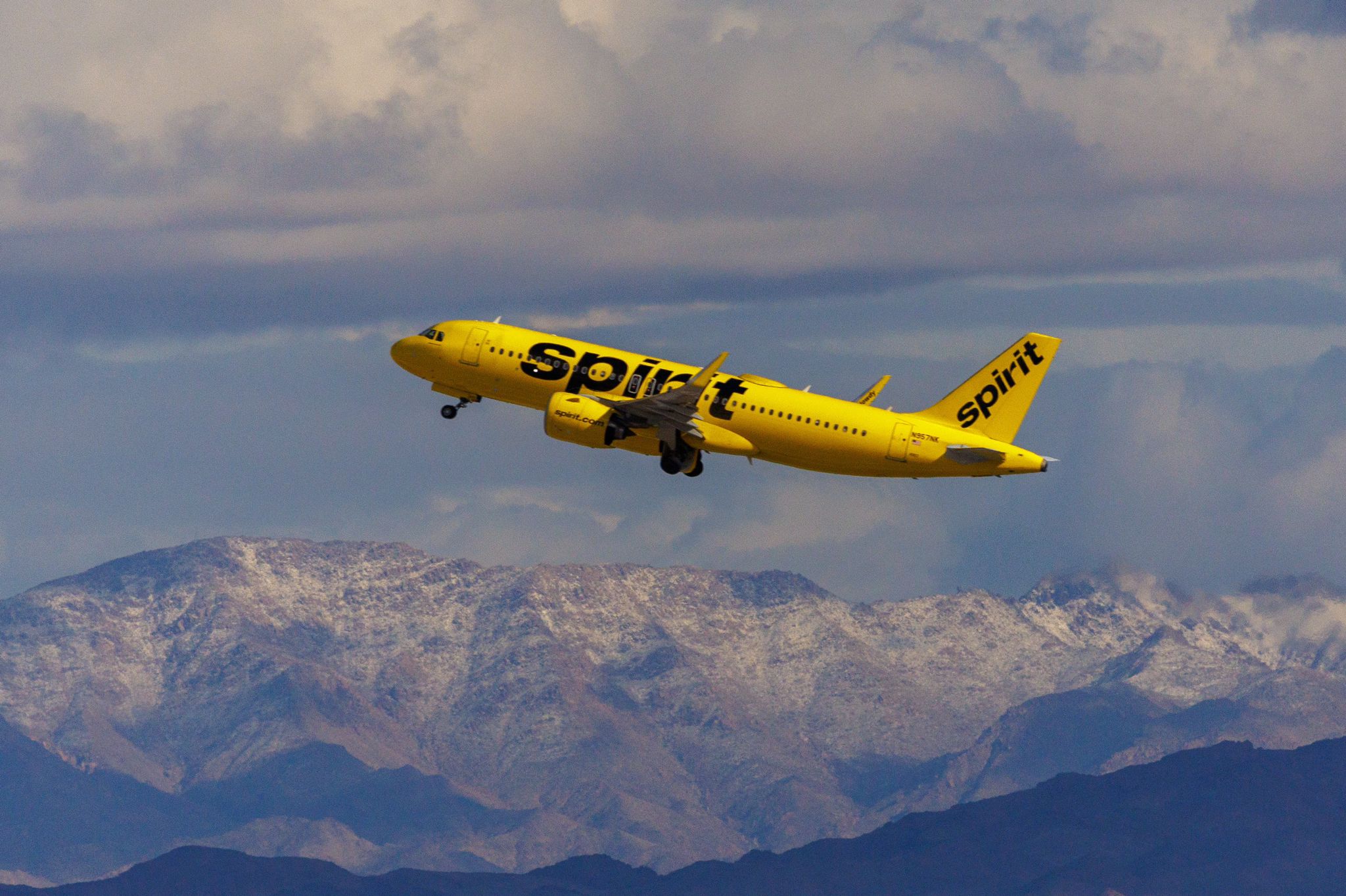
Aviation Industry Shakeup Reveals Deep Financial Challenges for Budget Carriers
The American aviation landscape is experiencing a seismic shift that could reshape how millions of travelers access affordable air travel. What appears to be a routine business restructuring actually represents a much larger crisis threatening the budget airline model that has democratized flying for countless Americans over the past two decades.
The State of American Air Travel
Millions of Americans travel by plane every day, making aviation an integral part of the nation’s transportation infrastructure and economic engine. Despite experiencing tough economic times, including inflation pressures, supply chain disruptions, and evolving consumer spending patterns, many travelers continue to choose air travel for both business and leisure trips. This resilience in air travel demand demonstrates both the essential nature of aviation and Americans’ continued prioritization of mobility and connectivity.
However, beneath this surface demand lies a more complex reality. The aviation industry operates on notoriously thin profit margins, where success often depends on precise capacity management, fuel cost predictions, and operational efficiency. Economic headwinds that might cause minor adjustments in other industries can create existential crises for airlines, particularly those operating in the ultra-low-cost segment.
The budget airline sector, which revolutionized air travel by making flying accessible to previously underserved market segments, now faces unprecedented challenges. These carriers built their business models around offering rock-bottom fares while charging separately for amenities that traditional airlines included in their ticket prices. This unbundling strategy worked well during periods of steady economic growth and predictable operating costs, but has proven vulnerable during times of economic uncertainty.
The Broader Budget Airline Crisis
Unfortunately, it appears that budget-friendly airlines are having an increasingly difficult time keeping up with larger, more financially stable carriers. This trend reflects several underlying factors that have been building for years but have recently reached a critical inflection point.
Larger airlines benefit from diversified revenue streams, including premium cabin services, cargo operations, maintenance services for other carriers, and extensive loyalty programs that generate significant ancillary revenue. They also typically have better access to capital markets, allowing them to weather financial storms that might overwhelm smaller competitors. Additionally, their route networks often include lucrative business travel markets that provide higher-margin revenue to offset losses on competitive leisure routes.
Budget carriers, by contrast, have traditionally focused almost exclusively on leisure travel and price-sensitive segments. While this strategy succeeded during periods of economic growth, it has left many of these airlines vulnerable when economic conditions deteriorate or when operational costs increase unexpectedly.
Southwest Airlines: A Cautionary Tale
The challenges facing budget carriers are perhaps most visible in the significant changes at Southwest Airlines over the last several months. Once considered the gold standard of low-cost aviation, Southwest has been forced to implement dramatic operational and strategic modifications as the company strives to stay competitive in an increasingly challenging market environment.
Southwest’s difficulties include operational meltdowns that damaged its reputation, increased competition on its core routes, rising labor costs as employees seek compensation increases to match inflation, and infrastructure challenges that have limited its growth potential. The airline has been forced to reconsider fundamental aspects of its business model, including its open seating policy and its point-to-point route structure.
These changes at Southwest, an airline that had successfully navigated previous industry crises, signal that the challenges facing budget carriers extend beyond simple economic cycles. Instead, they represent structural shifts in the aviation industry that may require fundamental reimagining of how low-cost airlines operate.
Spirit Airlines: From Bankruptcy to Route Cuts
The crisis in budget aviation reached a new level of severity when Spirit Airlines, long known for offering some of the most inexpensive fares in American aviation, filed for Chapter 11 bankruptcy protection in hopes of saving itself from complete financial collapse. This filing sent shockwaves through the industry, as Spirit had been one of the fastest-growing airlines in the pre-pandemic period.
Spirit’s bankruptcy filing was intended to provide the airline with breathing room to restructure its debts, renegotiate contracts, and develop a sustainable path forward. However, the challenges facing the airline proved more severe than initially anticipated. A little more than a month after the bankruptcy filing, the airline confirmed it would suspend 11 routes while trying to become more financially stable.
This rapid escalation from bankruptcy filing to route suspensions illustrates the speed at which financial crises can develop in the aviation industry. Airlines operate with such thin margins that relatively small changes in costs or revenue can quickly snowball into existential threats.
The Route Suspension Details
According to USA Today, Spirit Airlines will no longer provide service to a significant number of airports across the United States, beginning on October 2. The affected destinations span the country, demonstrating that this is not a regional issue but rather a nationwide restructuring of Spirit’s operations.
The suspended routes include service to Albuquerque, New Mexico (ABQ), Birmingham, Alabama (BHM), Boise, Idaho (BOI), Chattanooga, Tennessee (CHA), Columbia, South Carolina (CAE), Oakland, California (OAK), Portland, Oregon (PDX), Sacramento, California (SMF), Salt Lake City (SLC), San Diego (SAN), and San Jose, California (SJC). Additionally, Spirit confirmed that it would not proceed with previously announced expansion plans to Middle Georgia Regional Airport, which had been scheduled to begin in October.
This list of suspended routes reveals Spirit’s strategy for financial stabilization. Rather than cutting service randomly, the airline appears to be targeting markets that likely generated lower profit margins or required significant operational resources relative to their revenue contribution. Many of these routes serve secondary cities or represent markets with significant competition from other carriers.
The geographic diversity of the suspended routes also suggests that Spirit is consolidating its operations around core hub markets where it can achieve better operational efficiency and potentially stronger pricing power. This strategic retreat represents a fundamental shift from the growth-oriented approach that characterized Spirit’s operations for many years.
Impact on Passengers and Communities
The route suspensions create immediate challenges for passengers who had booked travel on these routes and for the communities that will lose air service options. Spirit Airlines acknowledged these impacts in a statement obtained by USA Today: “We apologize to our guests for any inconvenience this may cause and will reach out to those with affected reservations to notify them of their options, including a refund.”
The airline also expressed gratitude to the affected markets, stating: “We are grateful to the airports, business partners, and community members in these markets who welcomed and supported us.” This language suggests recognition that the route suspensions represent more than just business decisions—they affect real communities and relationships that took years to develop.
For smaller cities like Chattanooga, Birmingham, and Boise, losing Spirit service could significantly impact local economies and resident mobility. These markets often have limited airline options, making the loss of a major carrier particularly consequential. Business travelers, tourists, and residents who relied on Spirit’s low fares may now face higher costs or less convenient travel options.
Bankruptcy Process and Stakeholder Communications
To maintain transparency during its bankruptcy proceedings, Spirit Airlines created a dedicated website where stakeholders can monitor the company’s progress through the Chapter 11 process. This proactive communication approach demonstrates the airline’s understanding that bankruptcy proceedings can create significant uncertainty for customers, employees, vendors, and investors.
The website provides crucial reassurances for various stakeholder groups. For passengers, the company emphasizes: “Guests can continue to book, travel, and use all tickets, credits, and loyalty points.” This message addresses common concerns about whether it’s safe to book travel on an airline in bankruptcy or whether existing tickets and credits will be honored.
For employees, Spirit provides assurance that “wages and benefits will continue to be paid and honored for those employed by the Company, including contractors.” This commitment is essential for maintaining operational continuity during the restructuring process, as airline employees in bankruptcy situations often worry about job security and compensation.
Vendor and Supplier Relations
Spirit also addresses vendor and supplier concerns by stating that it “intends to pay vendors and suppliers for goods and services provided on or after the filing date in ordinary course.” This commitment is crucial for maintaining operational relationships with fuel suppliers, maintenance providers, catering companies, and other essential service providers.
However, the careful language about paying for services “on or after the filing date” suggests that pre-bankruptcy debts to vendors and suppliers may be subject to the restructuring process. This is typical in Chapter 11 proceedings, where existing debts are often negotiated down as part of the overall financial reorganization.
Industry-Wide Implications
Spirit’s challenges reflect broader trends affecting the entire ultra-low-cost carrier segment. These airlines succeeded by offering unbundled services at extremely low base fares, but this model faces several emerging challenges.
First, consumer expectations have evolved. While passengers initially embraced the ability to pay only for services they wanted, many now find the complexity of multiple fees frustrating. This has created opportunities for traditional carriers to compete more effectively by offering simplified pricing that appears more attractive, even if the total cost is similar.
Second, operational challenges have become more severe. Ultra-low-cost carriers typically operate with minimal operational buffers, making them particularly vulnerable to disruptions. When irregular operations occur—whether due to weather, air traffic control issues, or mechanical problems—these airlines often struggle to recover quickly, leading to customer dissatisfaction and potential regulatory scrutiny.
The Future of Budget Aviation
The financial difficulties facing Spirit Airlines and the operational challenges at Southwest suggest that the budget airline model may need fundamental restructuring to remain viable. This could involve developing new revenue streams, investing in operational resilience, or finding ways to differentiate their services beyond just price competition.
Some industry observers suggest that successful budget carriers of the future will need to focus more on operational excellence and customer experience, rather than solely competing on price. This might mean accepting slightly higher costs in exchange for improved reliability and customer satisfaction.
Conclusion: A Pivotal Moment for American Aviation
Spirit Airlines’ route suspensions represent more than just one carrier’s financial difficulties—they signal a potential transformation of the American aviation landscape. As budget carriers struggle to maintain their business models in an increasingly challenging environment, millions of travelers who have come to depend on low-cost options may face reduced choices and higher fares.
The outcome of Spirit’s restructuring efforts, along with similar challenges facing other budget carriers, will likely determine whether ultra-low-cost aviation remains a viable option for American travelers or whether the industry consolidates around fewer, larger carriers offering more standardized service levels.
For now, passengers affected by Spirit’s route suspensions must adapt to new travel options, while the broader industry watches to see whether this represents a temporary adjustment or a fundamental shift toward a more concentrated airline market. The resolution of these challenges will have lasting implications for American aviation and the millions of travelers who depend on affordable air transportation.