Alaska Political Showdown Brewing as Governor Considers Major Senate Challenge
A significant political earthquake may be approaching Alaska as one of the state’s most prominent Republican figures quietly prepares for what could become the most consequential Senate race in recent memory. Sources close to the situation suggest that a major announcement regarding the 2028 U.S. Senate race is imminent, one that could fundamentally reshape Alaska’s political landscape and send ripples throughout the national Republican Party.
The brewing confrontation represents more than just another electoral contest—it signals a deeper ideological battle within the GOP between establishment moderates and Trump-aligned conservatives. Alaska, despite its remote location and small population, has often served as a bellwether for these national tensions, and the upcoming race promises to be no exception.
The Players in Alaska’s Political Drama
Alaska Governor Mike Dunleavy, according to multiple sources who spoke exclusively to Fox News, is preparing to announce his candidacy for the U.S. Senate in 2028. The move would set up a direct confrontation with incumbent Senator Lisa Murkowski, creating what political observers are already describing as a clash between two fundamentally different visions of Republican governance.
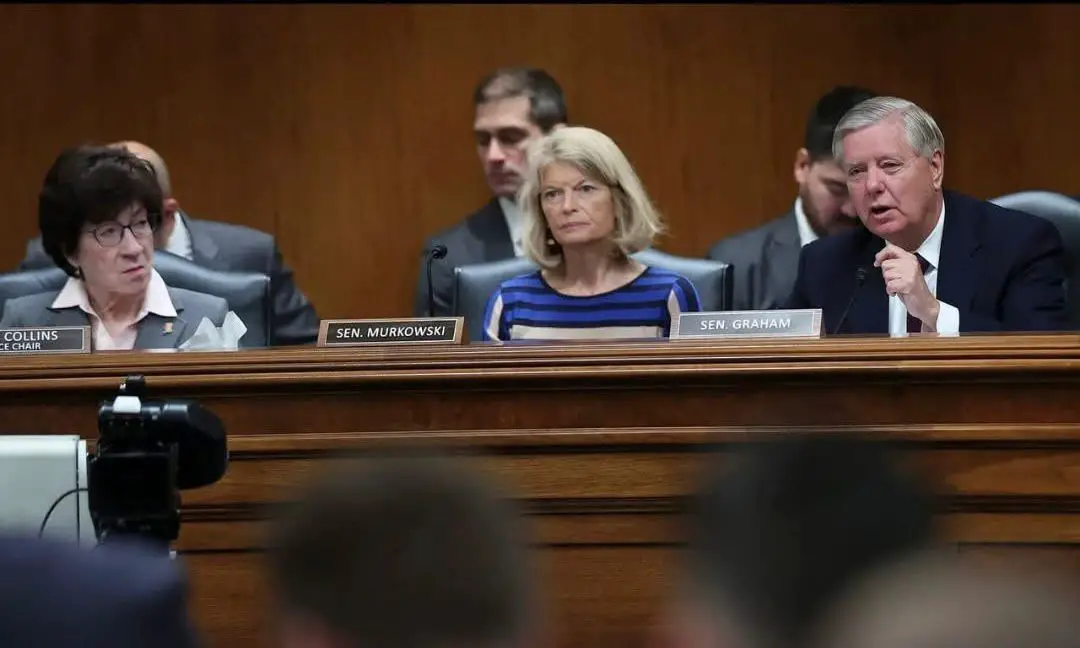
Murkowski, who has served in the Senate since 2002, represents the moderate wing of the Republican Party. She has frequently found herself at odds with former President Donald Trump, earning a reputation as one of the few GOP senators willing to break ranks with party leadership on key votes. Her independent streak has made her both a target for conservative criticism and a valuable swing vote in a closely divided Senate.
Dunleavy, by contrast, has positioned himself as a steadfast Trump ally since 2016, earning recognition as one of the former president’s most reliable gubernatorial supporters. This alignment has not only strengthened his political base in Alaska but has also given him national prominence within the MAGA movement.
Strategic Timing and Political Calculations
“He’s not going to quit his term,” emphasized a top source close to Dunleavy who previously worked with him in Juneau. This strategic decision reflects lessons learned from Alaska’s recent political history, particularly the cautionary tale of Sarah Palin’s early gubernatorial resignation in 2009.
Palin’s decision to leave the governor’s mansion before completing her first term to pursue national ambitions ultimately backfired spectacularly. “She never recovered,” noted the source, highlighting how premature political moves can permanently damage a politician’s credibility and effectiveness.
Dunleavy’s approach appears markedly different. By committing to serve out his gubernatorial term, he demonstrates the kind of political discipline and respect for electoral mandates that could serve him well in a Senate campaign. This patience also allows him to continue building his record as governor while laying the groundwork for a future federal campaign.
The timing is particularly strategic given the current political climate. By 2028, Trump will either be completing a second non-consecutive term or potentially stepping back from active politics, creating space for his allies like Dunleavy to inherit leadership of the movement. This positioning could prove invaluable in both Alaska and national Republican politics.
A Different Kind of Republican Governor
Those familiar with Dunleavy’s governing style paint a picture of a politician who defies many stereotypes about ambitious office-seekers. “He’s not about an ego and pushing himself in front of the cameras. He gets stuff done,” explained a source close to the governor. “He doesn’t like the cocktail parties and photo ops.”
This preference for substance over style has characterized Dunleavy’s approach to governance throughout his tenure. Unlike many governors who use their positions as launching pads for higher office, Dunleavy has focused intensely on Alaska-specific issues, earning a reputation for avoiding Washington’s spotlight while producing tangible results for his constituents.
However, those close to him indicate that he has come to understand that “being in Washington is the only way to get things done” on issues of critical importance to Alaska. While he has joked about preferring Alaska’s Arctic landscapes to “all this concrete” in Washington, he recognizes that many of the challenges facing his state—from energy development to infrastructure—require federal solutions.
This pragmatic approach to politics, combined with his conservative credentials, could make him a formidable Senate candidate. Unlike pure ideologues or career politicians, Dunleavy brings executive experience and a track record of governing effectively in a challenging environment.
Trump’s Endorsement and National Implications
The relationship between Dunleavy and Trump adds another layer of complexity to the potential race. Dunleavy was notably the second governor to endorse Trump in 2016, demonstrating early recognition of the political forces that would reshape the Republican Party. This early support has paid dividends in the form of continued presidential backing.
“Trump has talked to him before about running and wants him to run,” revealed a source familiar with their conversations. This presidential encouragement represents more than just personal preference—it signals Trump’s continued dissatisfaction with Murkowski and his desire to see Trump-aligned candidates in key Senate seats.
Dunleavy’s frequent visits to the White House, despite the 3,500-mile distance from Alaska, underscore the strength of this relationship. His attendance at Trump’s August 15 meeting with Russian President Vladimir Putin at Joint Base Elmendorf-Richardson in Anchorage further demonstrated his role as one of the president’s key allies in Alaska.
This Trump connection could prove decisive in a Republican primary, where Trump’s endorsement has become increasingly influential. However, it also raises questions about how such an alliance might play in Alaska’s general election, where independent voters often determine outcomes.
Alaska’s Unique Electoral Challenges
Republican success in Alaska gubernatorial races has been notably difficult in recent decades. Former Governor Jay Hammond was the last Republican to win re-election, achieving that feat in 1978. Sean Parnell, who became governor after Palin’s resignation, failed to win re-election outright, highlighting the challenging political environment facing GOP candidates.
These historical patterns make Dunleavy’s potential Senate bid all the more significant. His success as governor demonstrates an ability to navigate Alaska’s complex political terrain and build coalitions beyond traditional Republican bases.
Both Dunleavy and Murkowski have succeeded under Alaska’s ranked-choice voting system, which critics argue has benefited Democratic candidates by allowing voters to express preferences beyond traditional party lines. This system could prove crucial in determining the outcome of their potential matchup.
Building a Broad Coalition
Perhaps most significantly, sources indicate that Dunleavy has built support that extends well beyond conservative Republican circles. His relationships with Native communities across the North Slope and rural Alaska represent a critical political asset that could prove decisive in a statewide race.
Native voters have often played a decisive role in Alaska elections, and Dunleavy’s focus on issues important to these communities—including energy development, infrastructure improvements, and rural education—has earned him respect across traditional political divides.
“He’s built support that goes beyond just conservatives,” noted one source, highlighting this crucial difference from previous Murkowski challengers. This broad appeal could prove essential in a state where successful candidates must appeal to diverse geographic and demographic constituencies.
Murkowski’s Resilience and Political Legacy
Senator Murkowski brings her own formidable political assets to any potential confrontation. The daughter of former Alaska Governor Frank Murkowski, she represents a political dynasty with deep roots in the state. Her famous write-in campaign victory in 2010, after losing the GOP primary to Tea Party candidate Joe Miller, demonstrated remarkable political resilience and organizational capability.
That victory, achieved despite facing significant Republican establishment opposition, proved Murkowski’s ability to transcend traditional party boundaries and appeal to independent and moderate voters. Her moderate positions on issues like abortion rights and climate change have sometimes put her at odds with national Republicans but have helped her maintain support among Alaska’s independent-minded electorate.
However, political analysts suggest that Dunleavy would represent her most serious challenge yet. Unlike previous opponents who appealed primarily to conservative Republicans, Dunleavy’s broader coalition and executive experience could pose unique challenges to her re-election strategy.
National Republican Implications
The potential Dunleavy-Murkowski matchup carries implications far beyond Alaska’s borders. “Conservatives would welcome an opportunity to unseat Murkowski,” observed a top Alaska political analyst. “The fact that Trump and Murkowski have had such a strained relationship and Dunleavy and the president have a good relationship is really what has led us to this point.”
This dynamic reflects broader tensions within the Republican Party between Trump-aligned conservatives and establishment moderates. Murkowski’s occasional willingness to break with Republican leadership has made her a target for conservative activists nationwide, while her moderate positions have sometimes provided crucial votes for bipartisan legislation.
A Dunleavy victory would represent another step in Trump’s ongoing effort to reshape the Republican Party in his image, replacing establishment figures with loyal allies. Conversely, a Murkowski victory would demonstrate the continued viability of moderate Republicanism, even in an increasingly polarized political environment.
Looking Ahead to 2028
As Alaska prepares for what could be its most consequential Senate race in decades, the stakes extend far beyond state boundaries. The 2028 matchup would pit two of Alaska’s most prominent political figures against each other: Murkowski, the entrenched moderate with a family legacy in Alaska politics, and Dunleavy, the Trump-aligned governor who has demonstrated an ability to build support across diverse communities.
“Obviously there are a lot of frustrations with Sen. Murkowski,” noted one source, while acknowledging that “Gov. Dunleavy has been not only a successful governor, but a strong ally for him. So it’s only natural that he’d be hearing that from Alaskans—but also from folks in the broader MAGA movement.”
The outcome of this potential race could influence the direction of both Alaska and national Republican politics for years to come. As both potential candidates continue their current roles—Murkowski in the Senate and Dunleavy in the governor’s mansion—Alaska voters are watching closely to see how this political drama unfolds.
With the announcement expected soon, Alaska’s political landscape appears poised for its most significant transformation in decades, setting the stage for a battle that will test the relative strength of establishment moderation versus Trump-aligned conservatism in one of America’s most independent-minded states.