The Only Working Key
Part 1: The Driveway
The day my sister-in-law found out she couldn’t get into my house anymore, she stood in my driveway screaming my husband’s name.
Her husband was holding a manila envelope. Their five children were standing beside the minivan, watching. And I was on my front porch with my arms crossed, holding the only working key to my own front door.
“RYKER!” Miranda shrieked. “RYKER, GET OVER HERE!”
My husband’s silver Camry had just turned into the driveway. He got out slowly, still in his work clothes, his lanyard swinging from his neck. He looked at his sister. Then at Ross. Then at the five kids lined up by the van like they were waiting for a school bus.
Then he looked at me.
“What’s happening?” he said.
Miranda rushed at him so fast her heels slipped on the concrete.
“YOUR WIFE HAS LOST HER MIND!” she screamed. “SHE CHANGED THE LOCKS! SHE PUT ALL OUR THINGS IN STORAGE! SHE THREW US OUT, RYKER! WITH THE KIDS!”
Ryker’s eyes went wide. He looked at the envelope in Ross’s hand. Then he turned toward me.
I’d been ready for Miranda to scream. I’d been ready for Ross to sulk. I’d even been ready for the kids to cry.
I wasn’t ready for the look on my husband’s face.
It was pure disbelief. Like he’d never seen me before. Like I was a stranger standing on the porch of a house he lived in.
“Lina,” he said slowly, “please tell me this isn’t true.”
I didn’t move.
He took another step toward the porch.
“How could you do this without talking to me?”
The whole driveway went silent.
A sprinkler ticked two houses down. A dog barked somewhere behind the fence. Miranda stood behind Ryker with her arms crossed and her chin up, looking triumphant again, the way she always did when Ryker took her side.
And I stood there on my porch and realized that in the next few seconds, I was going to find out exactly whose side my husband was really on.
Because what none of them knew, not Miranda, not Ross, not even Ryker, was that I hadn’t spent the last six days just finding out about the eviction.
I’d found out about him too.
But to understand why I changed every lock on my house, you need to know how it started. You need to know about the Tuesday before.
Part 2: The Dessert
When I married Ryker Shaw, I honestly believed his family would become my family.
I didn’t have much of one. My dad left when I was four. My mom raised me alone in a two-bedroom apartment in Durham, working nights as a hotel desk clerk. She died of a stroke when I was twenty-six. No brothers, no sisters, no cousins close enough to call.
So when I met Ryker at thirty-two, and he told me about his big, loud, close family, I wanted in. I wanted Sunday dinners and birthday parties and somebody to call on Thanksgiving.
I’m a property manager for a company called Triangle Residential in Raleigh, North Carolina. I manage about four hundred rental units across six apartment complexes and a few dozen single-family homes. I handle leases, maintenance, renewals, complaints, and, when I have to, evictions. I work long hours. I’m good at it.
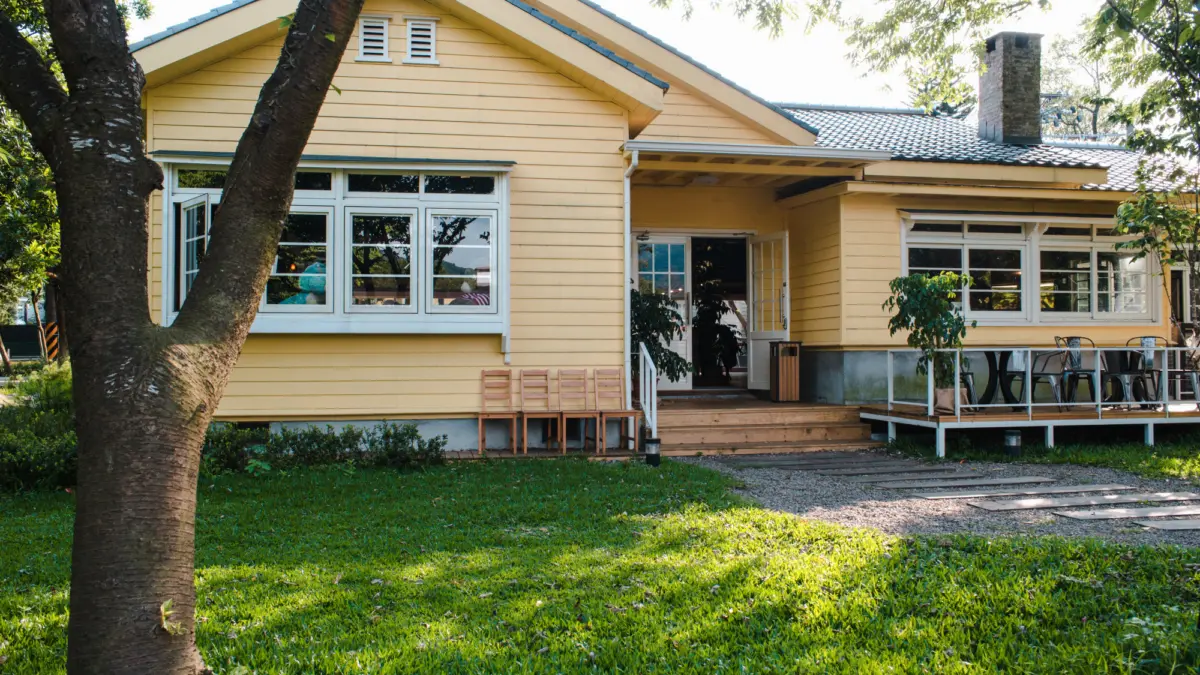
Before I met Ryker, I bought a house. It’s a four-bedroom colonial in Cary, with gray siding and white shutters and a porch swing I hung myself. It cost me nine years of saving and a thirty-year mortgage I’m still paying. I bought it on my own, with my own money. My name is the only name on the deed.
It’s the first thing in my life that was ever completely mine.
Ryker moved in after we got engaged. He was thirty-four then, an IT project manager at a hospital system. Kind and funny, with a big laugh and a habit of humming while he cooked. He brought me coffee in bed every Sunday. He remembered every single thing I told him.
He was almost impossibly devoted to his family.
Especially his older sister, Miranda.
Miranda was four years older than Ryker. Forty when I met her. She had carefully highlighted blond hair, a closet full of designer clothes she couldn’t afford, and a remarkable ability to insult someone while sounding like she was paying them a compliment.
At my first family dinner, at Ryker’s dad’s house in Garner, I brought a homemade peach cobbler. My mom’s recipe. I’d been up until midnight making it.
Miranda took one spoonful. She chewed it slowly. Then she smiled at me across the table.
“How sweet,” she said. “Ryker’s always had a thing for women who work too hard to impress everyone.”
Everybody laughed. Even Ryker’s dad. Even Ryker.
I laughed too, because I didn’t know what else to do.
That set the tone.
If I complimented her blouse, she’d say, “Oh, you should get one like it. It might make you look less exhausted.”
If I mentioned a promotion at work, she’d say, “That’s wonderful, Lina. Does it leave you any time to actually be a wife?”
If I bought a new couch, she’d say, “Cute. Very practical. Very you.”
And whenever I looked hurt, she’d tilt her head and smile and say the same thing every time.
“Oh, Lina. You’re so sensitive.”
Ryker always defended her.
“She doesn’t mean anything by it, sweetheart,” he’d say in the car on the way home. “That’s just Miranda. She’s had a hard life.”
“Everybody’s had a hard life, Ryker.”
“I know. I know. But she’s my sister. Just let it go. For me?”
So I let it go. For him.
I swallowed the comments. I laughed at the jokes. I told myself that keeping the peace in his family was more important than winning arguments.
I didn’t realize yet that keeping the peace was exactly what Miranda was counting on.
Part 3: The Phone Call
Miranda called me at work on a Tuesday afternoon in late April. She’d never called me at work before. She’d barely ever called me at all.
“Lina,” she said. Her voice sounded strained. Breathless. “We’re in a horrible situation.”
I was sitting at my desk at Triangle Residential, halfway through a lease renewal. I put down my pen.
“What’s wrong?”
She told me the rental house she shared with her husband, Ross, and their five children had a terrible cockroach infestation. The worst the exterminator had ever seen, she said. In the walls, the cabinets, the kids’ beds.
“He’s tenting the whole house,” Miranda said. “Fumigating. We have to be out for two days. Two days, Lina. With five children.” She paused. “And absolutely nowhere to go.”
I pictured them. Harper, who was thirteen and quiet and always had a book in her hand. Jonah, eleven, who was obsessed with dinosaurs. The twins, Ava and Eli, eight, who never stopped moving. And Rosie, the baby, who was three and called me “Aunt Weena” because she couldn’t say her L’s.
I pictured them sleeping in their minivan in a Walmart parking lot. I felt guilty for even hesitating.
“Of course you can stay here,” I said. “Two nights is fine. We have the space.”
There was a little pause on the line.
Then Miranda said, “Seriously? Well. I guess you finally found a way to be helpful.”
I said nothing. I just sat there holding the phone.
The next morning, before I left for work, Ryker handed Ross our spare house key. The plan was for them to let themselves in that afternoon while I was at the office.
“They’ll be gone by Friday morning,” Ryker promised me, kissing me at the door. “I swear. Two nights.”
I expected overnight bags. Maybe a suitcase or two. Pillows and sleeping bags for the kids. Maybe some cereal.
When I got home Wednesday evening, I nearly dropped my purse.
Part 4: Two Nights
There were cardboard boxes everywhere.
They lined the front hallway, stacked three high. U-Haul boxes, liquor store boxes, plastic storage bins. Some were labeled in black Sharpie. KITCHEN. HARPER’S BOOKS. WINTER CLOTHES. CHRISTMAS.
Christmas. In April.
Shoes and backpacks were scattered all over my hardwood floor. A pack-and-play was set up in the middle of my living room. My coffee table had been pushed into the corner. There was a giant flat-screen TV I didn’t recognize leaning against my bookshelf.
The living room looked like a daycare had exploded.
I went upstairs.
Miranda was in my guest bedroom, the one with the soft yellow walls I’d painted myself. She was wearing a pink cardigan, her blond hair twisted up into a loose bun. She was calmly unpacking her clothes and arranging them in the dresser.
Not in a suitcase. In the dresser. Folded neatly into the drawers.
The closet was already full. Her dresses hung on my wooden hangers.
“Miranda?” I said. “Why are you unpacking everything?”
She barely glanced up.
“When you have five kids, Lina, you can’t live out of suitcases.”
“But you’re leaving Friday.”
She gave me that familiar smile. The one that made my stomach hurt.
“Goodness,” she said. “Don’t make everything so dramatic.”
That night, I cornered Ryker in our bedroom with the door closed.
“Your sister is moving in.”
He laughed. A short, nervous laugh.
“She’s just getting comfortable, babe.”
“She brought more boxes than I did when I moved into this house, Ryker. There’s a box downstairs labeled Christmas.”
He took my hand. He held it in both of his and looked into my eyes, the way he always did when he wanted me to trust him.
“Lina. They’re family. It’s temporary.”
I studied his face for a long time.
“Promise me.”
“Of course,” he said. “I promise.”
I wanted to believe him. I really did.
By Friday morning, I knew something was wrong.
I woke up at six to the sound of screaming children and pounding footsteps on the stairs. The whole house smelled like burned toast.
Downstairs, cereal bowls covered every inch of my kitchen counters. Milk had been spilled and left to dry. Somebody had drawn on my refrigerator with a purple crayon.
Ross was stretched out across my sofa in a gray undershirt and basketball shorts, scrolling through his phone. Ross was forty-two, heavyset, with a goatee and a permanently tired face. He sold cars at a dealership in Fuquay-Varina, or at least he had, the last time anybody asked.
Eli was jumping on my couch cushions next to his father’s feet. Jonah was dragging a toy dump truck across my hardwood floor, leaving long white scratches. Rosie was sitting in the middle of the kitchen floor in a wet diaper, eating dry Cheerios out of the box.
And Miranda was standing at my coffee maker, using the expensive Ethiopian beans I bought once a month as a treat for myself.
“Good morning,” I said carefully. “What time are you guys heading home?”
Miranda didn’t turn around.
“Oh,” she said. “There’s been a complication.”
My stomach tightened.
“What kind of complication?”
“The infestation’s worse than they thought. They have to do another treatment. And then another inspection.” She poured my coffee into her mug. “We need to stay longer.”
“How much longer?”
She shrugged.
“A few weeks. Maybe a month.”
I stared at her.
“A month?”
Miranda finally turned around. She sipped my coffee and looked at me over the rim of the mug.
“Honestly, Lina,” she said. “You have all this space. You don’t even have children. Why are you acting like we’re putting you out?”
For a moment, I couldn’t speak.
This was my home. The home I’d saved for, worked for, painted and repaired and loved long before Miranda ever walked through its front door.
And somehow, standing in my own kitchen at six in the morning, I was being made to feel selfish for wanting it back.
I found Ryker in the upstairs hallway, putting on his shoes.
“This isn’t what we agreed to,” I said.
He lowered his voice. He glanced toward the guest room door.
“Her landlord’s being difficult, babe. They have nowhere else.”
“Then they need to find somewhere else.”
“Lina, please.” He looked at me with real pain in his eyes. “We can’t throw five kids onto the street.”
I looked at him for a long time.
“Why is your sister’s comfort more important than mine?”
He didn’t answer.
And something inside me went very, very still.
I understood something then, standing in my own hallway.
Miranda wanted an argument. She wanted me angry. She wanted me crying and shouting and demanding that her children leave. Then she could call their dad, and their cousins, and everyone at their church, and tell them what a cold, selfish woman Ryker had married. A woman who’d throw babies into the street.
I wasn’t going to give her that.
So instead, I smiled.
“You’re right,” I said to Ryker. “I’m sorry. I’m just stressed about work.”
Ryker visibly relaxed. His shoulders dropped. He kissed my forehead.
Downstairs, Miranda must have heard me. When I passed the kitchen on my way out, she was smiling into my coffee. She looked delighted.
Neither of them realized I’d already made a decision.
Part 5: The Landlord
I went to work.
My first phone call that morning wasn’t to a moving company. It wasn’t to a lawyer. It wasn’t to anybody in Ryker’s family.
It was to Miranda’s landlord.
Here’s the thing about being a property manager in the Raleigh area. You get to know the other landlords. The other management companies. The guys who own a few houses on the side and call you for advice. It’s not a big world.
And I knew the house Miranda and Ross rented. A brick ranch on a cul-de-sac in Garner. I knew who owned it, because I’d met him at a landlord association lunch two years earlier.
His name was Hank Delaney. Retired Marine. Owned eleven rental houses around Wake County. He’d once spent forty-five minutes telling me about the best way to caulk a bathtub.
“Lina Shaw,” Hank said, when he picked up. “Triangle Residential. To what do I owe the pleasure?”
“Hank, I need to ask you something about one of your houses. On Briar Creek Court. In Garner.”
He was quiet for a second. “The Hollings place?”
“Yes. Miranda and Ross Hollings. My sister-in-law.”
“Oh, Lord,” Hank said. “Oh, Lord. I’m sorry, Lina.”
“Hank, is there a cockroach infestation at that house? Are they having it fumigated?”
He laughed. Not a nice laugh.
“Cockroaches? Lina, that house was clean as a whistle when they moved in, and it was clean as a whistle when I changed the locks on Monday. There’s no fumigation. There’s no exterminator. There’s no follow-up treatment.”
“Then what—”
“They were three months behind on rent,” Hank said. “Close to six thousand dollars. I gave them every chance. Payment plans. Extensions. Your sister-in-law cried in my truck twice. Eventually, I had to file.”
He paused.
“The judge ruled for me three weeks ago. The sheriff’s deputy came out last Tuesday for the lockout. They had until noon to get their stuff out. That’s why they had all those boxes, Lina. They didn’t come to your house for two nights. They came because they had nowhere else to go.”
Ten minutes later, I was sitting at my desk, completely still.
The cockroach story had been a lie from the very beginning. There was no tenting. No fumigation. No “complication.”
Miranda had been evicted. And she’d known it for weeks. She’d known it when she called me on Tuesday with her strained, breathless voice.
The boxes. The unpacked dresser drawers. The Christmas decorations in April. The giant TV. Miranda’s smug confidence on Friday morning.
It all made perfect sense now.
They hadn’t come for two nights. They’d come to stay.
I should have gone straight home and confronted her. I should have called Ryker right then.
But something stopped me.
It was the way Ryker had looked toward the guest room door that morning. The way he’d lowered his voice. The way he’d said, “Her landlord’s being difficult.”
Her landlord.
He’d said landlord. Not exterminator.
How did Ryker know the landlord was involved at all?
Part 6: The Lie Underneath
I didn’t confront anybody that weekend. I acted normal. I smiled. I let Miranda use my coffee. I let Ross have the TV remote. I let the twins jump on my couch.
And I started looking.
Ryker and I have a joint checking account. We use it for groceries, utilities, the mortgage. We each have our own separate accounts too, for personal stuff. I’d never once in our marriage looked closely at the joint statements. I trusted him. I had no reason not to.
Saturday night, after everyone was asleep, I sat at my kitchen table and logged in.
It took me about fifteen minutes to find it.
Transfers. Every month. From our joint account to an account I didn’t recognize. Seven hundred dollars. Then eight hundred. Then a thousand.
I went back further. And further.
The transfers had started fourteen months earlier. Every single month. Labeled vaguely. “Transfer.” “Payment.” Once, “M.”
All together, my husband had moved $11,600 out of our joint account and into his sister’s.
Most of that money was mine. My paychecks went into that account. Our mortgage payment came out of it. The mortgage for the house that was in my name.
I sat there in the dark kitchen and stared at the screen until the numbers blurred.
Eleven thousand six hundred dollars.
Fourteen months. Ryker had been paying Miranda’s rent. Or part of it. Secretly. With my money. For over a year.
And then, three months ago, the transfers stopped. Right around the time Miranda stopped paying Hank Delaney.
I didn’t know why they’d stopped. But I knew I needed to find out.
Sunday morning, Ryker went for his usual run. He always left his iPad charging on the kitchen counter. He never locked it. Why would he? He didn’t have anything to hide.
Or so I thought.
I’m not proud of what I did next. I’ve never in my life snooped through a partner’s phone or computer. I’d always thought it was a terrible thing to do.
But I’d just found $11,600 missing from my bank account. I’d just found out my sister-in-law had lied her way into my house with five kids and a box labeled Christmas.
So I picked up the iPad.
His messages were synced from his phone. I opened the thread with Miranda.
The first thing I saw was from five weeks ago.
Miranda: “Hank’s taking us to court. I can’t stop it. What am I supposed to do, Ry?”
Ryker: “I can’t send any more. Lina’s going to notice. I’ve been moving money for over a year.”
Miranda: “So what, we just go live in a shelter? With your nieces and nephews? You’d let that happen?”
Ryker: “No. Let me think.”
Then, two days later.
Ryker: “Okay. What if you just come stay with us?”
Miranda: “She’ll never say yes.”
Ryker: “She will if it’s short. Tell her it’s an emergency. Two nights. Bugs or something. She’s soft about kids.”
Miranda: “And then what?”
Ryker: “Then you just stay. Once the kids are settled, she won’t kick them out. She can’t. She’ll look like a monster. I’ll handle Lina.”
Miranda: “You promise?”
Ryker: “I promise. It’s a big house. She’ll get used to it.”
I read it three times.
Then I put the iPad down on the counter, exactly where it had been, and I walked out onto my back porch and stood in the cool morning air.
My hands were shaking.
The cockroach story wasn’t Miranda’s lie.
It was Ryker’s.
My husband had planned it. All of it. He’d come up with the bugs. He’d come up with “two nights.” He’d told his sister to call me at work because I’m “soft about kids.” He’d handed Ross our spare key.
And on Wednesday night, when I asked him to promise me it was temporary, he’d held my hand and looked into my eyes and said, “Of course.”
I stood on that back porch for a long time.
I thought about leaving. I really did. I thought about packing a bag and going to a hotel and calling a divorce lawyer on Monday morning.
But then I heard little footsteps on the kitchen floor behind me. I turned around.
It was Harper. Thirteen years old, in an oversized T-shirt, holding a paperback book against her chest. She was looking at me through the screen door.
“Aunt Lina?” she said. “Are you okay?”
“I’m fine, sweetheart.”
She didn’t believe me. I could tell. She looked at me for a long moment with eyes that were much too old for a thirteen-year-old.
“We’re not supposed to be here, are we?” she said quietly.
I didn’t know what to say.
“Mom said we were moving here,” Harper said. “She told us on Monday. She said Uncle Ryker said it was okay. But you didn’t know. Did you?”
I opened the screen door. I sat down on the step. Harper sat down next to me.
“No,” I said. “I didn’t know.”
She nodded slowly. She looked down at her book.
“I’m sorry,” she said. “I’m really sorry, Aunt Lina.”
And that’s when I knew I couldn’t just walk away. Because whatever Ryker had done, whatever Miranda had done, these five kids hadn’t done anything. They’d just been carried along.
Part 7: The Plan
I didn’t confront anyone. Not yet.
Instead, I made calls.
On Sunday afternoon, I called my friend Dana, who manages a storage facility in Apex. I asked her how fast she could get me a big climate-controlled unit.
“Tomorrow morning,” Dana said. “Why? What’s going on?”
I told her. All of it. The bugs, the eviction, the iPad.
She was quiet for a long time.
“Lina,” she said finally. “I’m so sorry. What do you need?”
“I need a moving crew,” I said. “Professional. Careful. Licensed and insured. People who’ll pack everything like it’s their own. Nothing broken, nothing lost.”
“I know a guy,” Dana said. “He owes me a favor.”
Then I called a locksmith. Then I called the Homestead Lodge, an extended-stay hotel off Highway 55 in Cary, near the kids’ school. I asked for their biggest suite.
They had a three-bedroom unit with a full kitchen, two bathrooms, a living room, and a washer and dryer. It was clean and quiet and close to the elementary school and the middle school where all five kids were enrolled.
I paid for two weeks. With my own money, from my own personal account. It cost $2,240.
I knew some people would say I was being too generous. That they didn’t deserve it after what they’d done.
But the kids deserved it. And I wanted Miranda to understand something very clearly. I wasn’t throwing her children into the street. I was just taking them out of my house.
Monday morning, I drove to work like normal. At nine, I called my boss and told her I needed a personal day.
Then I drove back home.
The kids were at school. Ross had left at eight-thirty, saying he had “a thing.” Miranda had told everyone at breakfast that she was going to the outlet mall in Smithfield and would be back around four.
At 9:30, the moving crew arrived. Four men in matching blue polo shirts with a big box truck. The crew chief was named Luis. He shook my hand and asked, very respectfully, exactly what I needed.
Under my supervision, they packed everything.
Every one of Miranda’s dresses, folded carefully into wardrobe boxes. Every one of Ross’s game consoles, wrapped in bubble wrap. Every book in Harper’s box. Every one of Jonah’s plastic dinosaurs. The twins’ bunk bed sheets. Rosie’s pack-and-play and her stuffed giraffe and her sippy cups.
The giant TV. The box labeled Christmas.
Luis made a list of every single item and had me sign it. He took photographs of everything before it went into the truck.
“Ma’am,” he said, at one point, holding up a small framed picture he’d found in Miranda’s dresser drawer. “You want this in a special box?”
It was a photo of Ryker and Miranda as kids. Maybe seven and eleven. Sitting on the front steps of a little house, arm in arm, squinting at the sun. Miranda had her arm protectively around her little brother’s shoulders.
I looked at it for a long time.
“Yes,” I said. “Put it on top. Mark it fragile.”
By one o’clock, everything was in a climate-controlled storage unit at Dana’s facility, five minutes from my house. Dana gave me the key and a printed receipt with an inventory.
At two, the locksmith arrived. He changed every lock on my house. The front door. The back door. The garage entry. The side gate. Even the little lock on the shed.
He handed me a new set of keys. Two front-door keys. Only two.
I put one on my keychain. I held the other in my hand for a long time.
Then I put it in my pocket.
At three, I sat down at my kitchen table and filled a manila envelope.
The storage unit key. The receipt and the inventory, signed by Luis and Dana. The keycards for the three-bedroom suite at the Homestead Lodge, paid through May twelfth.
And a printed screenshot. Just one. Of the text message from Ryker that said, “Then you just stay. Once the kids are settled, she won’t kick them out.”
I almost didn’t put it in. Then I did.
I sealed the envelope. I went outside and sat on my porch swing with the envelope beside me.
At four-fifteen, I called Ryker at work.
“Can you come home a little early?” I said. “I need you to meet me out front. On the porch.”
“Is everything okay, babe?”
“Just come home, Ryker.”
Part 8: Whose Side
Miranda’s minivan pulled into the driveway at 4:30. She’d picked up the kids from school on her way back from the outlet mall.
The kids climbed out first. Harper with her backpack and her book. Jonah and the twins, already fighting about something. Ross came around and unbuckled Rosie from her car seat.
Then Miranda stepped out onto the driveway, holding three shopping bags from the outlet mall. She saw me sitting on the porch swing next to a manila envelope and a little stack of paperwork.
She frowned.
“Lina? Why are you sitting out here?”
I stood up.
“I changed the locks, Miranda.”
She blinked.
“What?”
“The locks,” I said. “They’re new. All of them.”
Ross set Rosie down on the concrete. He took a step toward the porch.
“Where’s our stuff?” he said.
“It’s safe,” I said. “In a climate-controlled storage unit five minutes from here. Everything is inventoried and photographed. Nothing was damaged.”
I walked down the porch steps and handed him the envelope.
“Inside is the location of your belongings and the key,” I said. “And a paid reservation for a three-bedroom suite at the Homestead Lodge on Highway 55. It’s near the kids’ schools. It has a full kitchen and a washer and dryer. It’s paid for two weeks. That’s how long you have to make other arrangements.”
Miranda’s face turned bright red. Then purple.
“You did WHAT?”
I looked straight at her.
“And I know the truth about your eviction, Miranda.”
For one extraordinary second, she had absolutely nothing to say. Her mouth opened. Nothing came out. The shopping bags slid down her arm.
Then her expression twisted.
“You threw FIVE CHILDREN out of their home?”
“No,” I said. “I arranged somewhere else for them to stay. Somewhere that isn’t my house.”
She didn’t listen. She spun around toward the street just as Ryker’s silver Camry turned into the driveway.
“RYKER!” she screamed. “RYKER, GET OVER HERE!”
And that’s where you came in.
Ryker getting out of his car. Miranda running at him. Her screaming that I’d lost my mind. Ryker looking at the envelope in Ross’s hand, then at me, with that look of total disbelief.
“Lina,” he said slowly, “please tell me this isn’t true.”
I didn’t move.
“How could you do this without talking to me?”
The whole driveway went silent. Five children by the minivan. Ross holding the envelope. Miranda with her arms crossed behind Ryker, triumphant again.
I looked at my husband.
“The same way you did, Ryker,” I said.
He stopped.
“What?”
“You heard me,” I said. “I did it without talking to you. The same way you moved your sister into my house without talking to me.”
“Lina, I didn’t—”
“Ross,” I said, without taking my eyes off my husband. “Would you hand Ryker that envelope, please?”
Ross hesitated. Then he did.
Ryker opened it. He pulled out the hotel keycards. The storage key. The inventory.
Then he pulled out the screenshot.
I watched him read it.
“Then you just stay. Once the kids are settled, she won’t kick them out. She can’t. She’ll look like a monster. I’ll handle Lina.”
His face went white. Totally white, like all the blood had drained out of it at once.
He looked up at me.
“And the eleven thousand six hundred dollars,” I said quietly. “From our joint account. Over fourteen months. That’s in there too, on the bank statement. Page two.”
Behind him, Miranda’s face changed. The triumph drained out of it.
“Ryker,” she said sharply. “Don’t you dare apologize to her. Tell her. Tell her it’s none of her business. Tell her family takes care of family.”
Ryker didn’t say anything. He was staring at the screenshot in his hand.
And then, from beside the minivan, a quiet voice spoke up.
“Uncle Ryker?”
It was Harper. She’d stepped away from the van. She was holding her book against her chest with both arms, the way she always did. Her eyes were wet.
“Did you tell Mom to lie to Aunt Lina?” she asked. “About the bugs?”
The whole driveway went silent again.
Ryker looked at his niece. Thirteen years old. Watching him.
Then he looked at Miranda, standing there with her arms crossed, waiting for him to defend her the way he always had.
Then he looked at me.
I’ll never forget what happened next.
Part 9: Ryker
His shoulders dropped.
Not in relief. In something heavier. Like a man setting down something he’d been carrying for a very long time and finally realizing how much it weighed.
“Yes, Harper,” he said. “I did. It was my idea.”
Miranda made a sound like she’d been slapped.
“Ryker!”
“It was my idea,” Ryker said again, louder. He turned to face his sister. “The bugs. Two nights. Calling her at work. Telling you she was soft about kids. All of it. I planned it.”
“Stop talking,” Miranda hissed.
“No,” Ryker said. “I’m done. I’m done lying. To her. To you. To myself.”
He turned back to me. His eyes were red.
“I’m sorry, Lina,” he said. “I’m so sorry. You asked me to promise. You looked me in the eyes and asked me to promise, and I lied to your face. In our bedroom. In the house you bought.”
I didn’t say anything. I couldn’t.
“I moved the money because she asked,” he said. “And then she asked again. And again. And every time I thought, this is the last time. And then it wasn’t.” He wiped his eyes with the back of his hand. “And when I couldn’t send any more, I figured I’d just bring the problem home. And you’d fix it. Because you always fix things.”
He looked at the house behind me. My house.
“I made your home into my sister’s backup plan,” he said. “I’m sorry.”
Miranda stepped between us.
“Oh, here we go,” she said. “Look at him. She’s got you wrapped around her finger, Ry. She’s turned you against your own family.”
“No, Miranda,” Ryker said. “You did that.”
“I raised you!” Miranda shouted. Her voice cracked. “When Mom left, who made your lunches? Who walked you to school? Who sat with you when you cried every night for a year? Me! I was eleven years old, and I raised you! And you owe me!”
The driveway was silent.
Ryker looked at his sister for a long, long time.
“You did,” he said quietly. “You did raise me. And I’ll be grateful for that for the rest of my life.” He swallowed hard. “But that was thirty years ago, Miranda. I’ve been paying for it ever since. And I can’t do it with my wife’s house anymore.”
Miranda’s face crumpled.
For one second, just one, I saw something underneath the highlighted hair and the designer cardigan and the sweet, poisonous smile. I saw a scared eleven-year-old girl on the front steps of a little house, with her arm around her baby brother, wondering who was going to take care of them.
Then it was gone. Her face hardened again.
“Fine,” she said. She snatched the envelope out of Ryker’s hand. “Fine. We’ll go to your little hotel. But don’t you ever ask me for anything again, Ryker. Ever.”
She turned to the kids.
“Get in the car.”
Ross didn’t move.
He’d been standing there the whole time, silent, holding Rosie on his hip. Now he looked at his wife. Then at Ryker. Then at me.
“Lina,” he said quietly. His voice was rough. “The hotel. Did you pay for that yourself?”
“Yes.”
“After all this?”
“The kids didn’t do anything wrong, Ross.”
He looked at me for a long moment. Then he nodded slowly.
“Thank you,” he said. “I mean it.”
Miranda stared at her husband like he’d betrayed her too.
“Ross!”
“She’s right, Miranda,” Ross said. He shifted Rosie to his other hip. “The kids didn’t do anything wrong. We did.”
Part 10: The Couch
After the minivan pulled out of the driveway, Ryker and I stood there alone.
The sprinkler was still ticking two houses down. The sun was getting low behind the trees. Somewhere, somebody was grilling.
“Can I come inside?” Ryker asked.
I reached into my pocket. I took out the second key. The new one. I looked at it in my palm for a long time.
Then I put it back in my pocket.
“Not tonight,” I said.
His face fell. But he nodded.
“Okay,” he said. “That’s fair.”
“I need some time, Ryker,” I said. “I need to figure out if I can trust you again. Because right now, I can’t. You lied to me in our bedroom. You took eleven thousand dollars out of our account and hid it. You planned to move five children into my house without telling me. And you made me promise you something you already knew you were going to break.”
“I know.”
“You can go stay with your friend Marcus,” I said. “Or at your dad’s. Or at the Homestead Lodge with your sister, if you want. I don’t care. But you’re not sleeping here tonight.”
He looked at me. Then he looked at the house. Then he nodded again.
“Marcus,” he said. “I’ll call Marcus.”
He walked back to his car. He stopped at the door and turned around.
“Lina,” he said. “Do you want me to go to counseling? With you? Or alone? Or both?”
I looked at him for a long time.
“Both,” I said.
“Okay,” he said. “I’ll make the calls tomorrow.”
He got in his car and drove away.
I went inside and locked the door with my new key.
The house was so quiet. No pounding footsteps. No screaming. No burned toast. No cartoons blasting from a TV I didn’t own.
There were still white scratches on the hardwood floor where Jonah had dragged his dump truck. There was still purple crayon on the refrigerator. There was a sippy cup that the movers had missed, rolled under the couch.
I picked it up. It had a little giraffe on it. Rosie’s.
I sat down on my couch, the one Miranda called “very practical, very you,” and I held that sippy cup in my lap, and I cried for the first time in six days.
Part 11: Six Months
Ryker and I went to counseling every Thursday for six months.
Separately, at first. Then together. Our counselor was a gentle, soft-spoken man named Dr. Ellis who had a fish tank in his office and a way of asking questions that made you say things you didn’t know you were thinking.
Ryker talked about his mother. How she’d left on a Tuesday morning when he was seven. Just packed a suitcase and drove off and never came back. How his dad had started drinking. How Miranda, eleven years old, had stepped in. Packed his lunches. Signed his permission slips. Held him when he cried.
“She told me every day that she was the only one who’d never leave me,” Ryker said one afternoon, staring at the fish tank. “Every single day. And I believed her. And then when I grew up, she started saying it differently. She’d say, ‘I’m the only one who’s never left you. So you can’t leave me either.'”
“And what did that mean to you?” Dr. Ellis asked.
Ryker was quiet for a long time.
“It meant that anything she asked for, I had to give her,” he said. “Or else I was just like Mom.”
I talked about my mom too. About the two-bedroom apartment in Durham. About being alone. About how badly I’d wanted Ryker’s big, loud family to be mine.
“I think I let Miranda walk all over me,” I said, “because I was scared that if I stood up to her, I’d lose all of them. And I’d be alone again.”
Dr. Ellis nodded.
“And what happened when you finally did stand up to her?”
I thought about it.
“I didn’t lose all of them,” I said slowly. “I lost Miranda. For now. But I didn’t lose Ryker. And I didn’t lose the kids.”
Ryker paid back every cent of the $11,600. Out of his own personal account, over six months. He set up automatic transfers into our joint account every two weeks, with a memo line that said the same thing every time.
“Sorry. R.”
He moved back in after three months. Into the guest room at first. The yellow one, where Miranda had unpacked her dresses. We didn’t talk about it. He just slept there, and every morning, he made me coffee with my expensive Ethiopian beans and brought it to the kitchen table without a word.
I still didn’t give him the key.
Part 12: The Unit on Laurel Street
The two weeks at the Homestead Lodge went by fast.
On the tenth day, Ross called me. He sounded exhausted.
“We can’t find anything,” he said. “Nobody’ll rent to us with an eviction on our record. We’ve looked at thirty places. Miranda’s… not doing great.”
“Have you found a job, Ross?”
He was quiet for a long time.
“I got let go from the dealership in January,” he said. “Miranda didn’t want anybody to know. That’s why we fell behind on rent. I’ve been picking up shifts at a warehouse in Garner, but it’s not enough.”
I closed my eyes.
So that was it. That was why the money from Ryker had mattered so much. That was why the lie had gotten so big. Ross had lost his job, and Miranda had been too proud to tell anyone, and the whole family had spun out into a hole they couldn’t climb out of.
I thought about it for a long time that night.
Then I called Ross back.
“Triangle Residential has an opening,” I said. “Maintenance technician. Full-time, with benefits. Health insurance for the whole family. It’s hard work. Fixing toilets, replacing water heaters, unclogging garbage disposals at two in the morning. But it pays fifty-two thousand a year.”
Ross didn’t say anything for a long time.
“Why would you do that?” he said finally. “After everything?”
“Because you said thank you,” I said. “In the driveway. When nobody else did.”
There was something else too.
One of the buildings I manage is a small, older complex on Laurel Street in Cary, near the middle school. It has a three-bedroom unit on the ground floor with a little fenced yard. The last tenant had just moved out.
It’s not fancy. The carpet’s old and the kitchen’s from the 1990s. But it’s clean and quiet and two blocks from Harper’s school.
I told Ross that if he took the job, the company would rent them the unit at the employee rate. The lease would be in Ross’s name. The rent would come directly out of his paycheck, automatically, before he ever saw it.
“No cash,” I said. “No skipped months. No asking Ryker for money. Ever.”
Ross was quiet for a long time.
“Miranda’s not going to like that,” he said.
“Miranda doesn’t have to like it,” I said. “She just has to live there.”
They moved into the Laurel Street unit on May eleventh. The day before the hotel ran out.
I sent Luis and his crew back to the storage unit to move everything over. I paid for it myself. Again.
When they unloaded the truck, Luis came up to me with a small box marked FRAGILE. He held it out.
“The picture,” he said. “You told me to put it on top.”
It was the photo of Ryker and Miranda as kids, on the front steps, arm in arm.
I carried it into the Laurel Street apartment myself. Miranda was standing in the empty living room, staring at the old carpet. She didn’t look at me.
I set the picture on the kitchen counter, facing her.
“I didn’t want this to get lost,” I said.
Then I left.
Part 13: Miranda
I didn’t hear from Miranda for four months.
Ross started at Triangle in May. He was good at it. Better than I expected. He was patient with the tenants and he never complained about the two a.m. calls. By August, my boss was asking me where I’d found him.
Harper started texting me in June. Small things at first. A picture of a book she was reading. A question about a math problem. Then bigger things. How she was scared about starting eighth grade. How her mom cried in the bathroom sometimes.
“She’s really sad, Aunt Lina,” Harper texted one night in July. “She doesn’t say it. But I can tell.”
“Thank you for telling me, sweetheart,” I wrote back. “You’re a good daughter.”
In September, on a Saturday morning, my doorbell rang.
It was Miranda.
She was standing on my porch in jeans and a plain gray T-shirt. No designer cardigan. No pearls. Her highlights had grown out, and her hair was just pulled back in a ponytail. She looked older. Tired.
She was holding a dish covered in foil.
“Hi, Lina,” she said.
“Hi, Miranda.”
She held out the dish.
“It’s peach cobbler,” she said. “I asked Ryker for your mom’s recipe.”
I didn’t know what to say. I just stood there in my doorway, looking at her.
“I don’t know how to do this,” Miranda said. She was staring at the porch boards, not at me. “I’m not good at apologizing. I’ve never really had to. Ryker always did it for me.”
“I know.”
“I was jealous of you,” she said. “From the very first dinner. You came in with your homemade dessert and your house and your career. You did everything on your own. You didn’t need anybody.” She swallowed. “And I needed everybody. I’ve needed everybody my whole life. Ever since Mom left.”
She finally looked up at me. Her eyes were wet.
“I’m sorry for what I said about your cobbler,” she said. “It was the best thing I’d ever tasted. I just couldn’t stand that you made it.”
I looked at the dish in her hands. Then at her.
“Do you want to come in?” I asked.
She hesitated. Then she nodded.
We sat at my kitchen table and ate peach cobbler out of the dish with two spoons. It was a little burned on the edges. Miranda said she’d never baked anything in her life before that morning.
“It’s good,” I told her. “Really.”
“You’re lying.”
“A little,” I admitted.
And Miranda Hollings laughed. A real laugh. Not the sweet, poisonous one. A surprised, honest laugh, the kind that sneaks out of you when you’re not expecting it.
It was the first time in two years I’d heard her laugh at something that wasn’t me.
Part 14: The Key
On the night of our anniversary, in October, Ryker and I sat on the porch swing I’d hung myself.
It was cool out. The leaves were starting to turn. We’d been to Dr. Ellis that afternoon, our last weekly session. He said we didn’t need to come every week anymore. Once a month would be fine.
“How do you feel?” Ryker asked me.
“Tired,” I said. “Good tired.”
He nodded. He looked out at the driveway. At the spot where Miranda had stood screaming his name six months before.
“I think about that day all the time,” he said. “About Harper asking me if I told her mom to lie. I think it was the first time in my whole life anybody asked me a direct question about Miranda and I had to answer it honestly.”
“You did answer it, though.”
“I did,” he said. “Because she was thirteen and she was looking at me. And I thought, if I lie to her now, I’m teaching her that this is how it works. That you lie for family. That you hurt the people you love to protect the people who hurt you.” He shook his head. “I couldn’t do that to her.”
I reached into my pocket.
I’d been carrying it for six months. Every day. In my jeans, in my work blazer, in my purse. The second key. The new one. The one I hadn’t given him.
I held it out on my flat palm.
Ryker looked at it. Then he looked at me. He didn’t reach for it.
“Are you sure?” he said.
“No,” I said honestly. “I’m not sure. But I’m ready to try.”
He looked at the key for a long time.
Then he reached out and took it, very carefully, like it might break.
“I won’t make another copy,” he said. “Ever. Not for Miranda. Not for anybody. Not without asking you first.”
“I know,” I said. “That’s why I’m giving it to you.”
We sat on the porch swing until the stars came out.
At one point, Ryker’s phone buzzed. He looked at it and laughed.
“It’s Miranda,” he said. “She’s asking if we want to come to dinner at Laurel Street next Sunday. She says she’s making cobbler again. She says it’ll be less burned this time.”
“Tell her yes,” I said.
He texted her back. Then he put his phone face down on the swing between us and took my hand.
People ask me sometimes if I was too harsh. Changing the locks. Packing up five kids’ belongings while they were at school. Making Miranda stand in my driveway and scream.
Other people ask me if I was too soft. Paying for the hotel. Getting Ross a job. Forgiving Ryker. Letting Miranda back into my kitchen with a burned cobbler.
I don’t think I was either.
I think I just finally learned the difference between being kind and being used. Between helping family and handing them the keys to your life.
Every house has a key. And every key is a kind of trust. When you give someone a key, you’re telling them: I believe you’ll come in with love. I believe you won’t take what isn’t yours. I believe you’ll lock the door behind you when you leave.
For a long time, I handed out keys to people who never deserved them. People who walked into my life and unpacked their boxes and called it family.
Now, I’m more careful. There are only two keys to my front door.
One is on my keychain.
The other is on my husband’s, right next to his car key, on a little ring that says, in tiny engraved letters, “Ask first.”
It was a gift from me. On our anniversary.
He hasn’t taken it off since.