I smelled it before I saw it. It was a little after ten o’clock on a Thursday night in July, and I was sitting on my front porch in the dark with a glass of iced tea, listening to the thunder roll off to the east. The storm had come through about an hour before. A dry one, mostly. A lot of wind and lightning and about four drops of rain. I’d gone out to watch it pass, the way my daddy always did, and I’d stayed out because the air was cooler after.
Then the wind shifted and I smelled smoke. Not woodsmoke. Hay. If you’ve ever smelled hay burning, you know. It’s sweet and thick and it gets in the back of your throat, and once you’ve smelled it on a farm, you never forget it, because it means something terrible is happening.
I stood up and looked across the fence line toward the big barn. And there it was. A little orange glow in the hayloft door at the north end, flickering. As I watched, it got bigger.
I’m going to tell you what happened that night, but first I have to tell you about the pony. And about my ex-husband’s wife. Because if you don’t know about the pony, nothing I did that night will make any sense.
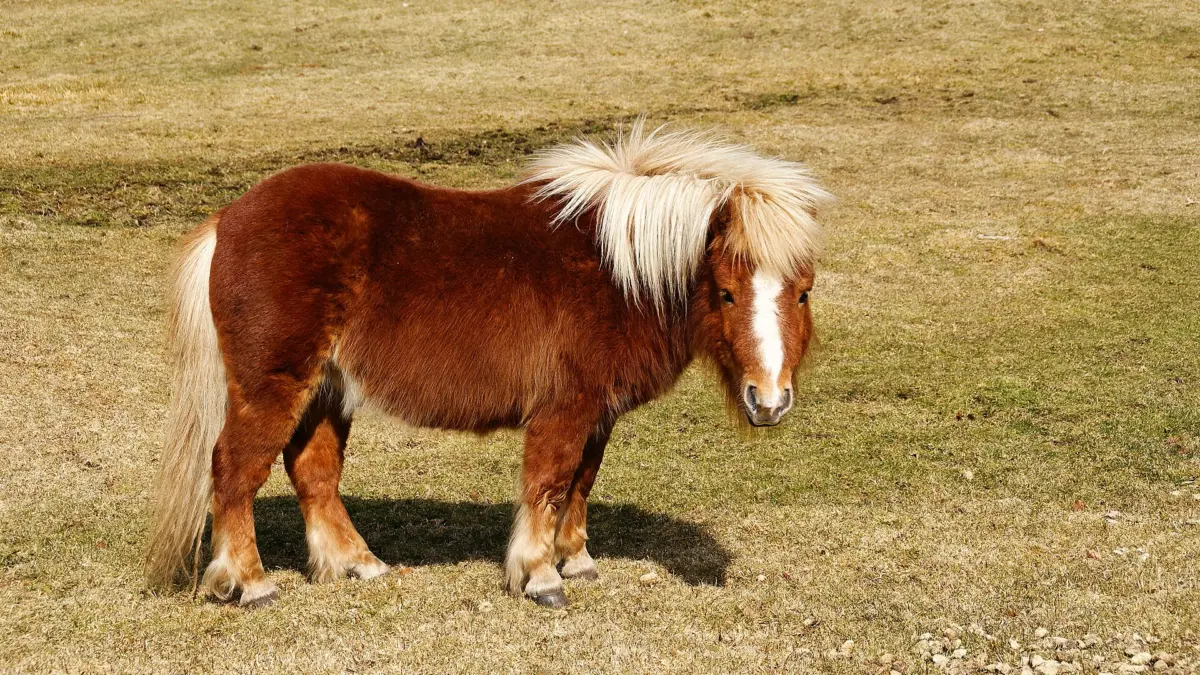
His name is Peanut. He’s a Shetland pony, a little bay gelding with a black mane that sticks straight up like a toothbrush and a white snip on his nose. He’s thirty-three years old now. I bought him for two hundred dollars at a horse sale in Paris, Kentucky, in 1999, for my daughter Emily’s sixth birthday. He was six then too. The man selling him said he’d been a lead-line pony at a riding camp and was bombproof, and that turned out to be the truest thing a horse trader ever said to me.
Emily rode Peanut until she was too long in the legs, and then her little brother Cody rode him, and then for a while nobody rode him, and he just lived in the barn. And that’s when we found out what he was really good for.
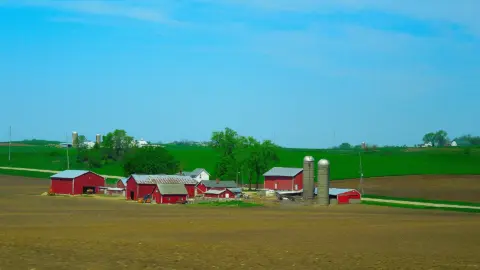
My husband back then was Wade Carlisle. Wade raised and showed American Quarter Horses. Halter horses, mostly, and some reiners. We had a hundred and forty acres off the Newtown Pike in Scott County, with a twenty-four-stall barn Wade built in 1997, and at our best we had about thirty head on the place. Wade was good with horses. I’ll always give him that. He could look at a yearling and tell you what it’d be at four. But he had no patience with them. He wanted everything done yesterday.
Peanut had all the patience in the world. And somewhere along the line we figured out that the young horses loved him. If you had a weanling that was crying for its mama, you put Peanut in the stall next to it, and it’d quit. If you had a two-year-old that wouldn’t load in the trailer, you loaded Peanut first, and the two-year-old would follow him right up the ramp. If you had a horse that was scared of the wash rack, or the clippers, or a plastic bag blowing across the yard, you led Peanut past it first and let the young horse watch him not care.
Wade called him the babysitter. For twenty years, every horse that came through that barn spent its first few months next to Peanut. Every single one.
Wade and I divorced in 2019. I’m not going to go into all of it. It was the usual sad story. He met Brandi at a show in Oklahoma City. She was thirty-four and she trained reining horses and she had very white teeth. He told me about her on a Tuesday and moved out on a Friday. That’s all I’ll say about it.
In the divorce, Wade kept the farm and the barn and the horses. I got the twelve-acre corner on the east side with the old tenant house, which I’d fixed up over the years for my mother before she passed, and forty-five thousand dollars to be paid out at five hundred a month. And I got Peanut. Wade didn’t fight me on that. Brandi made it clear she didn’t want “that little yard pony” in her barn.
I’ll tell you the thing that hurt the most. It wasn’t Wade leaving. It was that the fence line between my twelve acres and his hundred and forty was the same fence it had always been. I could stand on my porch and see the barn I used to clean every morning, and the paddocks where my kids learned to ride, and the big oak where we buried Emily’s first dog. And every night I could see Brandi’s lights on in my old kitchen.
I’m a rural mail carrier. I’ve driven the same route for twenty-two years, a hundred and nine miles a day, and I know every mailbox and every dog on it. I work, I come home, I feed Peanut, I sit on my porch. Emily lives in Lexington with her husband and two little girls. Cody’s in the Army in Texas. My granddaughters come out on Saturdays and ride Peanut around my little paddock, and they’re the reason I bother doing much of anything.
So that’s how it was. And then this past July, there was the county fair.
My granddaughter Hadley is seven, and she’d been begging all spring to show Peanut in the lead-line class at the Scott County Fair. Lead-line is for the little ones. A grownup walks beside the pony holding the lead rope, and the child just has to sit up straight and hold the reins and smile. Everybody gets a ribbon. It’s the sweetest class at the whole fair. I’d shown Emily in it on Peanut twenty-five years before.
So I washed Peanut and braided his toothbrush mane with little red yarn bows, and Emily bought Hadley a tiny pair of cowboy boots and a pink shirt with pearl snaps. And on the Saturday of the fair, we loaded Peanut into my little two-horse trailer and drove to the fairgrounds in Georgetown.
Brandi was there. Of course she was. She and Wade had four horses in the open halter classes that day. She was standing by the show office in a starched white shirt and a black hat with a silver band, talking to the show secretary, when we led Peanut past.
She looked at Peanut with his red yarn bows. She looked at Hadley in her pink shirt. She laughed. It was a big, loud laugh, the kind people do when they want everybody else to hear it.
“Oh, my Lord,” she said. “Is that a dog with a saddle on it?”
The show secretary laughed too. A couple of people standing in line laughed.
“It’s a pony, Brandi,” I said.
“It’s a thirty-year-old yard pony is what it is.” She turned to the show secretary. “Is that thing even sound? It’s going to be in the same arena as our horses. We’ve got a hundred-and-fifty-thousand-dollar stallion showing at two o’clock. I don’t want that thing spooking him.”
“Peanut’s never spooked at anything in his life,” I said.
“I’m sure he hasn’t. He’d have to be awake.” She laughed again. “Wade! Come look at this.”
Wade came over from the wash rack. He looked at Peanut, and for just a second something crossed his face. I know him. I was married to him for twenty-six years. It was the look of a man remembering something he’d rather not.
“Hey, Peanut,” he said quietly. Then he looked at Brandi and didn’t say anything else.
Hadley was holding my hand. She looked up at me with her face all scrunched up.
“Grandma, is Peanut a dog?”
“No, baby. Peanut’s a pony. The best pony in the whole world.”
“Then why did that lady say he’s a dog?”
I didn’t have an answer for that. Not one I could say in front of a seven-year-old.
Hadley showed Peanut in the lead-line class at eleven o’clock. There were nine kids. Peanut walked around that arena like he was the King of England, and Hadley sat up so straight in her little boots, and everybody got a blue ribbon, and the judge gave Hadley a special ribbon for Best Smile. Emily cried. I cried. It was perfect.
But on the way out of the arena, Hadley asked me again. “Grandma, why did that lady say Peanut was a dog?”
I’ve thought about that a lot since.
There’s one more thing I should tell you about, because it matters later. The money.
The five hundred dollars a month from the divorce came regular for the first year. Then Brandi took over Wade’s books. After that, it came when it came. Some months it was late. Some months it was three hundred instead of five, with a note that said “rest next month,” and the rest never came. Some months it didn’t come at all. By that July, by my count, Wade had skipped or shorted me on more than a year’s worth of payments.
I called about it in June. Brandi answered Wade’s phone.
“Wade’s busy,” she said.
“I’m calling about the settlement payment. It’s three months behind.”
“We’re aware.”
“Brandi, it’s in the decree. It’s a court order.”
“Then take us to court,” she said. “We’ve got a barn full of horses to feed, and you’ve got one pony. I think you’ll survive.” And she hung up.
I didn’t take them to court. A lawyer in Georgetown told me I could, and I’d probably win, and it would cost me about four thousand dollars to collect what they owed me. I’m a mail carrier. I did the math. I wrote it in my checkbook register in red pen, everything still left to pay on that settlement, and I updated it every month when the check didn’t come. That was all.
Thirty-one thousand five hundred dollars, by July. That was the number in red.
So that was the fair. It was two weeks before the fire.
When I saw that glow in the hayloft, the first thing I did was call 911. A woman answered and I told her the Carlisle barn on Newtown Pike was on fire, horses inside. She said she’d send the Scott County fire department and the volunteers from Stamping Ground, and they’d be fifteen or twenty minutes. Then she told me to stay away from the building. I said yes ma’am and hung up.
Then I put on my boots and ran.
I knew Wade wasn’t home. He’d posted on Facebook that morning that he was hauling three horses to a show in Shawnee, Oklahoma. Everybody in the county knew it because he’d tagged himself at a truck stop in Paducah. So I knew Brandi was alone, or close to it.
I climbed through the fence and ran across the paddock to the barn. By the time I got there, the whole north end of the hayloft was going. You could hear it, a roar like wind in a tunnel. Smoke was pouring out from under the eaves. And inside the barn, the horses were screaming.
That’s a sound I hope you never hear. A horse screaming in fear. It’s high and terrible and it doesn’t sound like an animal at all. There were twenty-two horses in that barn that night. I know the number because I counted the names on the stall plates later. And every one of them was screaming and kicking the walls.
Brandi was standing in the big doorway at the south end. She was in a T-shirt and pajama pants and flip-flops. A teenage boy who worked for them, the Mattingly boy, was with her, and he was crying. Brandi had a lead rope in her hand and she was trying to get into the barn, and every time she went in, the smoke drove her back out coughing.
“Brandi!” I yelled. “Brandi, the fire department’s coming!”
She turned around and saw me. And even in all that, with her barn on fire and her horses screaming, her face changed.
“What are you doing here?” she screamed. “Get off my property!”
“I called 911. They’re coming. Fifteen minutes.”
“I know! I called them too! Get out of here!”
“Brandi, you have to get them out now. That loft’s going to come down.”
“Don’t you think I know that?” She was crying now, and coughing. “I tried! I got the door open on Dash’s stall and he reared up and nearly killed me. They won’t come out. They won’t come out! They keep going back in!”
That’s what horses do. People don’t believe it, but it’s true. A horse in a burning barn thinks its stall is the safest place in the world. It’s home. If you drag it out, it’ll pull away from you and run right back into the fire. Every barn fire you ever heard of where they lost horses, that’s why.
“You have to cover their eyes,” I said. “Put something over their heads. A jacket, a feed sack, anything. They’ll follow you if they can’t see the fire.”
“Don’t tell me how to handle horses!” Brandi screamed at me. “You’re a mailman! You’ve got a yard pony! Get out of here before you get yourself killed and I get sued!”
The Mattingly boy looked at me, and then at her, and then at me again.
I didn’t argue. There wasn’t any time to argue. And I’ll tell you the truth. Some small, mean part of me, the part that had been watching her lights in my kitchen for seven years, wanted to turn around and go home and let her deal with it. I’m not proud of that. I felt it for maybe two seconds.
Then I heard a horse in that barn whinny. Not scream. Whinny. A long, high call, like a horse calling for its friend.
And I knew that voice.
There’s an old sorrel broodmare in that barn named Lady. Her registered name is something like Smart Little Lady Doc, but nobody ever called her that. She was the first foal ever born on the Carlisle place, in 1998, and she grew up in the stall right next to Peanut. When she was a weanling and crying for her mother, it was Peanut who quieted her. She was twenty-eight now. Wade kept her as a broodmare and then just kept her, because she’d been there the longest. She’d spent every single night of her life within sight of that pony until 2019.
She was calling. And she was calling for him.
I turned around and ran.
Brandi yelled something after me. I think she thought I was running away. I suppose I was, for the moment.
I ran back across the paddock to my place and through the fence and into my little barn. Peanut was standing in his stall with his head up and his ears pointed at the fire. He could smell it. He could hear the horses. He was perfectly calm.
I grabbed his halter off the hook and buckled it on him. Then I grabbed every empty feed sack I could find in the feed room, maybe a dozen of those woven plastic ones, and stuffed them under my arm. And I grabbed one more thing, off the hook by the door. A cowbell on a strap. Emily used to hang it on Peanut’s halter when she was little so I could hear where they were in the pasture. I don’t know why I grabbed it. I just did.
We ran back across the paddock together, that little old pony and me. He trotted right beside me with his toothbrush mane bouncing and his short little legs going, and he never pulled back once, not even when we got close enough that I could feel the heat on my face.
Brandi saw us coming and her mouth fell open.
“Are you kidding me?” she screamed. “Are you kidding me right now? You brought that thing here?”
“The horses know him,” I said.
“They don’t know him! He hasn’t been in this barn in seven years!”
“Lady knows him.”
“Get that pony off my property!” She grabbed my arm. “I mean it! I’ll call the sheriff! I’ll—”
Inside the barn, something big fell in the loft. A beam, I think. There was a crash and a whoosh and a burst of sparks came rolling out the south door, and every horse in that barn screamed at once.
Brandi let go of my arm.
The Mattingly boy said, “Ma’am, what do you need me to do?”
I handed him half the feed sacks. “When I bring a horse out, you put one of these over its head and you lead it to the far paddock and you shut the gate. And you don’t let it go until it’s on the other side of that gate. You understand?”
“Yes ma’am.”
Brandi was just standing there now. Staring at the barn. Staring at me. Staring at that little pony.
I buckled the cowbell on Peanut’s halter. Then I led him to the big south doorway, where the smoke was rolling out along the top of the frame like a black river turned upside down.
I stopped in the doorway. I could see down the aisle, maybe halfway. Past that it was all smoke and orange light. The horses were kicking their stall doors so hard the whole barn shook.
I took a breath. And I shook the halter so the bell rang.
Peanut lifted his head. He stood in that doorway, with the fire roaring at the far end of the barn and the smoke coming down on top of us, and he planted his little feet, and he looked down that aisle.
And from somewhere in the smoke, Lady whinnied again.
Peanut stretched his neck out, opened his mouth, and called back to her.
It was the loudest sound I ever heard come out of a pony. It went down that barn aisle like a trumpet. And for just a second, every horse in that barn went quiet.
Then I put my shirt over my mouth and walked in.
I won’t pretend to remember all of it in order. It’s in pieces. I remember the heat. I remember the noise, the roar of the fire over us in the loft and the crackling and the horses. I remember Peanut beside me, steady as a church, his bell going clank, clank. I remember that Lady’s stall was the fourth one on the left, same as it had always been, and when I opened the door she came straight to Peanut and put her nose down on his back and blew. She was shaking all over. I put a feed sack over her eyes and tied it with baling twine around her halter, and she let me. And I turned Peanut around and walked him out, and Lady followed him with her nose on his rump, right out into the night air, as calm as you please.
The Mattingly boy took her to the far paddock. I went back in.
That’s how we did it. Over and over. Peanut and me and the bell, back into that barn, down the aisle, a horse at a time. The young ones were the worst. They’d never met Peanut. But they’d been born in a barn full of horses that had, and they’d follow the old mares, and the old mares followed Peanut. I’d blindfold one and lead it out behind the pony, and the horse in the next stall would see it go and settle down enough for me to get in.
At some point, Brandi came in with us.
I don’t know when. I just looked up and she was there, in her pajama pants and flip-flops, with a feed sack in her hands and her face black with soot. She didn’t say anything to me. She just started doing what I was doing. She’d tie a sack over a horse’s eyes, and I’d bring Peanut past the stall door and ring the bell, and she’d lead the horse out behind us. We must have made eight or nine trips like that. Then the volunteer fire trucks came screaming up the driveway, and the firemen came running with their hoses, and a fireman in a white helmet was yelling at us to get out, get out, the roof is going.
There were two horses left. One was a yearling filly. The other was Dash. That’s the stallion. Dashing Smart Chex, a hundred-and-fifty-thousand-dollar halter horse, the one Brandi was so worried Peanut would spook at the fair. He was in the end stall, the one closest to the fire, and he’d kicked half his stall door out.
“Leave them!” the fireman was yelling. “Ma’am! Ma’am! You have to leave them!”
Brandi looked at me. She’d stopped crying a long time before. Her eyes were white in her black face.
“Dash,” she said. Just that.
I went back in. I’m not brave. I want you to know that. I was terrified. But Peanut was already walking, and I wasn’t about to let him go in there by himself.
The heat at that end of the barn was like standing in front of an open oven. Burning hay was falling from the loft in clumps, landing in the aisle and smoking. The filly was easy. She was so scared she practically climbed into my arms. The Mattingly boy had come in behind us and he took her. That left Dash.
Dash was standing in the back of his stall, up against the far wall, with his head high and his eyes rolling. He was dripping with sweat. When I opened the door, he reared straight up and struck at the air with his front feet, and I jumped back and nearly fell.
Peanut didn’t jump. Peanut walked right into that stall.
A thirty-three-year-old, thirty-eight-inch Shetland pony walked right under the front feet of a rearing sixteen-hand stallion, and stood there, and looked up at him.
And Dash came down. He came down on all four feet, and he dropped his head, and he put his nose against that pony’s back, the same way Lady had. I don’t know why. Maybe he remembered something. Dash was eight years old, and he’d been foaled on that farm in 2018, and for the first four months of his life, before the divorce, he’d lived in the stall next to Peanut. I’d forgotten all about that. I don’t know if a horse remembers something like that. I’d like to think he did.
I got a feed sack over his eyes and we walked him out. All of us. Peanut first, ringing his bell, and Dash with his nose on Peanut’s tail, and me holding Dash’s lead rope with both hands and praying out loud. We came out the south door into the night air about thirty seconds before the north half of the loft came down. I heard it go behind us. A crash like a train wreck, and a big whoosh of heat on the back of my neck, and sparks going up into the sky like the Fourth of July.
We got all twenty-two out. Every one.
The barn burned to the ground. Two fire departments fought it until about four in the morning and saved the equipment shed and the house, but the barn was gone. Twenty-four stalls, the hayloft, the tack room with forty years of saddles and ribbons and trophies in it. All of it.
I sat down on the ground in the far paddock with Peanut’s lead rope in my hand and couldn’t get back up. A paramedic gave me oxygen for a while. My arms were burned in a couple of places where hay had fallen on me, and I’d lost both eyebrows and most of the hair on the front of my head. Peanut’s toothbrush mane was singed down to about half an inch. Other than that, he was fine. He stood next to me with his head down and his eyes half closed and dozed, like he’d just had a long day at riding camp.
Lady stood on the other side of the fence all night. She wouldn’t leave him.
Brandi came and sat down next to me around one in the morning. She’d found a sweatshirt somewhere. Her flip-flops were gone and her feet were bleeding. She didn’t say anything for a long time. Neither did I.
Finally she said, “How did you know?”
“Know what?”
“That they’d follow him.”
“He babysat every one of them,” I said. “Every horse in that barn that was born before 2019. He was the first thing they saw when they got weaned. Wade never told you that?”
She shook her head.
“No,” she said. “He never told me anything about this place before me.”
I didn’t know what to say to that. So I didn’t say anything.
She looked at Peanut for a while. Then she reached out and touched his singed little mane, very carefully, like it might break.
“I said he was a dog,” she said.
“You did.”
“In front of your granddaughter.”
“You did.”
She nodded. And that was it. She got up and went back to the fire trucks. She never did say she was sorry. Not that night, and not since.
Wade drove all night from Oklahoma. He got home at about seven the next morning, and he went and looked at what was left of the barn for a long time. Then he walked across the paddock to my place. I was sitting on my porch with a cup of coffee and my arms wrapped in gauze. Peanut was in my little paddock, and Lady was standing at the fence on the other side, as close to him as she could get. She’d been standing there all night.
Wade looked at the two of them. Then he came up on my porch and sat down in the other chair, which he hadn’t done since 2019.
“The Mattingly boy told me,” he said. “All of it.”
“I figured he would.”
“You went back in for Dash.”
“Peanut went back in for Dash. I just went with him.”
Wade laughed, but there wasn’t much laugh in it. He put his face in his hands. He sat like that for a long time. When he took his hands down, his eyes were red.
“Twenty-two horses,” he said. “Every one. With a yard pony.”
“With the babysitter,” I said.
He nodded. “With the babysitter.”
A week later, a check came in my mailbox. On my own route, which was funny. I delivered it to myself. It was from Wade, for thirty-one thousand five hundred dollars. That was what he still owed me on the divorce settlement, every penny of it, all the payments he’d skipped and all the ones still to come. On the memo line he’d written: For Peanut.
I cashed it. I’m not a fool.
Then two weeks after that, a horse trailer pulled into my driveway. It was Wade. He unloaded Lady and led her up to my gate.
“She won’t eat,” he said. “She hasn’t eaten right since the fire. She just stands at that fence. The vet says she’s grieving.” He held out the lead rope. “She’s twenty-eight. She’s not going to have any more foals. I think she ought to be with him.”
So Lady lives with me now too. She and Peanut share the little run-in shed in my paddock. She follows him everywhere. When he lies down in the sun, she stands over him. When my granddaughters come on Saturdays, Hadley rides Peanut around the paddock on a lead line and Lady walks along on the other side of him like a big sorrel bodyguard.
Wade’s building a new barn. Steel this time, with sprinklers and fire walls and a smoke alarm system that calls his phone. The fire marshal said the old one was hit by lightning, and the wiring in the loft didn’t help. Wade had been meaning to fix that wiring for about ten years. I didn’t say anything about that. I didn’t have to.
Brandi still lives in my old kitchen. We wave at each other sometimes across the fence. That’s about it. She put a post on Facebook after the fire thanking the fire departments and the neighbors who helped. She didn’t use my name, or Peanut’s. Emily was furious about it. I told her to let it go. I know what happened. So do twenty-two horses.
At the county fair this year, Hadley showed Peanut in the lead-line class again. His mane had grown back by then, mostly, and I braided red yarn bows into it. When we led him past the show office, a woman I didn’t know came over and asked if this was the pony from the barn fire. I said it was. She asked if she could take a picture. Then another woman asked. Then a whole bunch of people. By the time we got to the arena gate there was a crowd.
Brandi was there, standing by the wash rack with a horse. She saw all those people around Peanut. She looked at him for a long time.
Then she turned around and went back to washing her horse.
Hadley got a blue ribbon. Everybody does in lead-line. But the judge, the same one as the year before, leaned down when she handed it to her and said something in her ear.
On the way back to the trailer, I asked Hadley what the judge said.
“She said Peanut is the bravest pony in Kentucky,” Hadley said. Then she frowned. “Grandma? Is that true?”
“That’s true, baby.”
She thought about that. “Then that lady was wrong. He’s not a dog.”
“No,” I said. “He’s not a dog.”
She held his lead rope all the way back to the trailer. Peanut walked beside her, slow and steady, his little bell going clank, clank, clank. I put it back on his halter after the fire, and he wears it all the time now.
I like being able to hear where he is.