The dough was fighting my mother, and my mother was winning.
It was ten o’clock on the Thursday night before my wedding, and I’d driven over to the kitchen at First Baptist with a Sonic Diet Coke in each hand because I knew she’d forget to drink anything. The church kitchen was hot as a furnace. Every window was open and every fan was running, and it didn’t make a lick of difference. My mother stood at the long stainless steel counter in her school apron, the navy one with “Pawnee Creek Elementary” stitched on the pocket, with her sleeves pushed up and flour to her elbows. Her glasses had fogged over. She was punching down a mound of dough the size of a bed pillow.
Every bowl in that kitchen was full of rising dough. So was every roasting pan, every stock pot, and two of the big plastic tubs the church used for ice at Vacation Bible School. They were all lined up along the counters under clean dish towels, breathing.
“Mama,” I said. “How many is this?”
“Batch eleven.” She didn’t look up. “Last one.”
“How many rolls is that?”
“Four hundred. Give or take.”
I set her Diet Coke down next to the Hobart mixer, which was still ticking as it cooled. That mixer is older than I am. My mother learned to run it the same year I was born.
“Mama, you could buy rolls. Walmart has those big bags. Forty to a bag. Nobody would know the difference.”
She folded the dough over on itself with the heel of her hand, turned it a quarter turn, and folded it again.
“They’ll taste the difference,” she said.
That was the end of the discussion.
My mother is Bonnie Lambert, and she has run the cafeteria at Pawnee Creek Elementary School for twenty-six years. She cooks breakfast and lunch for two hundred and eleven children every school day on a federal reimbursement that works out to about three dollars and sixty cents a kid. She knows every one of those children by name. She knows which ones get supper at home and which ones don’t. On Friday afternoons, she slips jars of peanut butter and sleeves of crackers into certain backpacks before the buses come, and in twenty-six years she has never told a soul whose backpacks they were.
I was twenty-four that summer, and I was marrying Reed Calloway on Saturday afternoon.
There was no money for a caterer. My daddy, Wendell, drives a propane truck for the farmers’ co-op, and between the two of them my parents bring home somewhere around sixty thousand dollars a year. They’d been putting money aside for my wedding since I was in middle school, in a savings account at the First National Bank in Cushing that my mother checked every month like it was a sick relative. When I got engaged, the balance was $11,200. They handed me every penny of it.
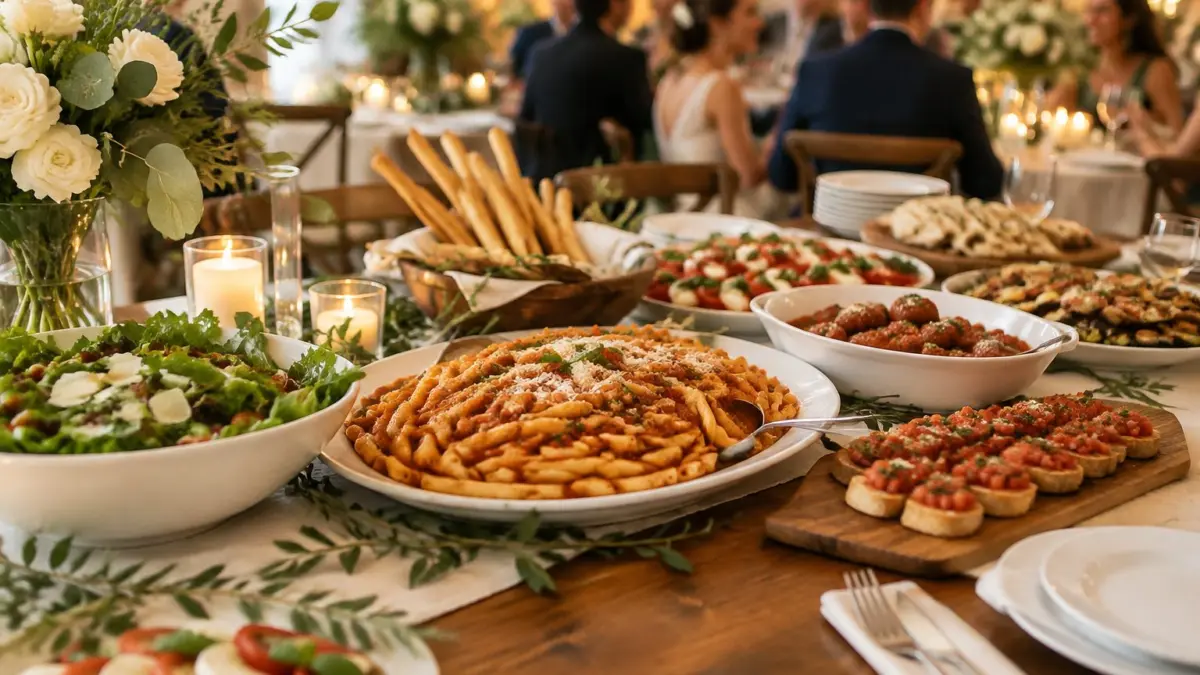
So my mother planned the supper herself, on a yellow legal pad, the way she plans everything. Brisket, smoked by my daddy and her on his big offset smoker in the church parking lot. Two spiral-cut hams with brown sugar glaze. Six hotel pans of green beans with bacon. Four pans of pulled pork. Potato salad and coleslaw and mac and cheese. And four hundred yeast rolls, from scratch.
Her sisters came to help. My Aunt Rose and my Aunt Patsy worked in shifts with half the women from the county Homemakers Club, all of them with their hair tied up in bandanas like they were going to war. Marlene Fisk peeled potatoes for six hours and claimed her hands had gone permanently numb. Doris Tapp ran the coleslaw station and told everybody who walked in the door exactly how much cabbage she’d cut.
That night, after I left the church, my mother went out to the parking lot and sat down in a lawn chair next to Daddy’s smoker. She stayed there until morning with a thermos of coffee and a flashlight, checking the temperature every hour on the hour. Daddy had split the post oak himself, out of the woodpile behind our barn on Route 3. The rub on that brisket was my mother’s, and she has never written the recipe down for anybody, including me.
I hugged her before I left. She smelled like yeast and wood smoke and sweat.
“Go home and sleep,” she told me. “You’re getting married. You look like a raccoon.”
“So do you.”
“I’m not the one getting married.”
I drove home with the windows down and the smell of that brisket following me all the way out Route 3. I remember thinking it was the best smell in the world. I remember thinking that whatever else happened on Saturday, at least everybody was going to eat well.
The wedding was perfect. I’ll say that up front, because of everything that came later.
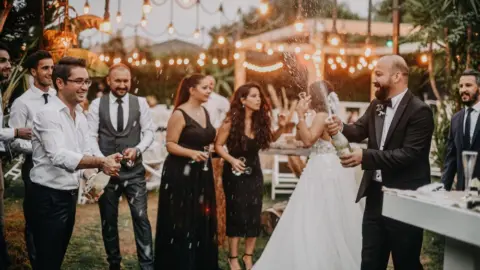
We got married at First Baptist at four o’clock on a Saturday in June, with Pastor Mike officiating and my cousin’s little girl throwing rose petals so hard she hit people in the face. Reed cried when I came down the aisle. He tried to hide it, but he’s six foot two and was standing at the front of a church, so there was nowhere to hide it. He wore black jeans, a white shirt, a black vest, and the silver bolo tie his grandfather had worn at his own wedding in 1961. I wore my grandmother’s veil and a dress from a bridal shop in Tulsa that cost four hundred dollars on clearance, with a bodice that laced up the back with about forty yards of satin ribbon. My Aunt Rose spent twenty minutes lacing me into it and said, “Honey, I hope you don’t need to breathe.”
The reception was in the Pawnee Creek Community Building, out on the edge of town by the rodeo grounds. It’s a big metal building with a concrete floor and a stage at one end and a kitchen in the back, and it smells like floor wax and old coffee no matter what you do to it. But Mateo and Brody had hung string lights from every rafter, and the Homemakers Club had covered every table with white cloths and mason jars full of black-eyed Susans from the ditches along Route 3. When the sun went down and the lights came on, it looked like the inside of a jewelry box.
Mateo Reyes and Brody Sims were sixteen and fifteen, two boys from the youth group at church. Daddy was paying them fifty dollars apiece to set up and clean up. They’d been there since three o’clock that afternoon, unfolding chairs and climbing ladders and running pans back and forth from the church kitchen in the back of Brody’s daddy’s pickup. When supper started at six, they switched over to busing tables, hauling gray plastic tubs of dirty plates back to the kitchen and filling water pitchers and carrying out trash bags to the dumpster.
The band was Sonny and the Switchgrass, out of Stillwater. Reed found them on Facebook. They’d played the Okie Noodling Festival and about a hundred county fairs and rodeos, and they charged eight hundred dollars for four hours. That was more than we could afford, honestly. I’d tried to talk him into a DJ.
“Every good wedding needs a fiddle,” Reed said. “I’ll pick up extra shifts.”
He did. He’s a welder at the pipe yard in Cushing, and he worked six Saturdays in a row to pay for that band.
There were four men and a young woman. Sonny sang lead and played rhythm guitar, a big man with a red beard and a pearl-snap shirt. There was a skinny lead guitar player with tattoos up both arms and a drummer with a gray ponytail. The young woman, Lainey, played the upright bass, and she couldn’t have been more than twenty-five. And there was Amos, the fiddle player, who had driven two hours from Ponca City to get there. He was about seventy, with a white beard down to the middle of his chest and a straw cowboy hat with a feather in the band.
They started playing at six o’clock, and they didn’t stop. They played through supper. They played through the cake cutting, and the first dance, and Daddy’s dance with me, which was “My Girl,” and he cried, and I cried, and everybody cried. They played the dollar dance and the Cotton-Eyed Joe, twice, because Reed’s uncles demanded it. They played “Amarillo by Morning,” which made all the old men go quiet.
People went through the supper line twice, and some of them three times. I heard Pastor Mike tell my mother it was the best brisket he’d ever put in his mouth, and I watched my mother turn pink and wave him off with a dish towel.
There was plenty. My mother had planned for two hundred and twenty people, and a hundred and eighty-two had come. After the first round, the chafing dishes were still half full, sitting in a long line on the folding tables against the wall with little blue Sterno flames under them.
By a quarter past nine, I had been dancing for an hour and a half straight, and my feet were screaming. My satin shoes had rubbed blisters on both heels. I kicked them off under the head table, gathered up about thirty pounds of skirt in both arms, and slipped out the side door of the community building in my stocking feet. I only wanted one minute alone in the June night air, to breathe and look at the stars and think, I’m married, I’m married.
That’s when I saw Aunt Verlene.
The gravel lot behind the community building is big and dark, and the string lights from inside only reach about halfway across it. Out at the far edge of the lot, where the light ran out, there was a big silver Chevy Tahoe parked with its back hatch standing open. The dome light was on inside it, making a little yellow box in the dark.
And Aunt Verlene was walking toward it across the gravel, carrying a full pan of brisket.
She was holding it out in front of her with both hands, close against her chest, careful and slow. It reminded me of the way you carry a sleeping baby out to the car after church, trying not to wake it up.
I stood very still by the side door and watched her.
She got to the back of the Tahoe and bent over and slid the brisket in. Then she straightened up and rubbed her lower back with one hand, the way women her age do, and turned around to head back toward the building.
That’s when I could see inside the truck. The cargo space was half full already. Foil pans were stacked one on top of another, their edges shining in the dome light. I could see two of the big hotel pans of green beans with the bacon on top. I could see one of the hams. I knew it was a ham because the bone was sticking up under the foil like a tent pole. And I could see a pan of pulled pork, with the corner of the foil peeled back.
On the end of the tailgate, set down where she could reach them, were two sheet pans covered with dish towels. I knew those dish towels. They were my mother’s, the blue-checked ones from our kitchen.
The rolls.
“Verlene,” I said.
Verlene Hobbs was my husband’s aunt. She was his mother’s older sister, sixty-four years old that summer, short and round, with dyed auburn hair she got set every Friday morning at the Hair Corral on Main Street. She wore the same pink cardigan sweater to every family event in every season, including the Fourth of July. I’d met her maybe a dozen times while Reed and I were dating, and she’d always been polite to me, and that was about all I could have told you about her.
When I said her name, she didn’t jump.
I’ve thought about that a thousand times since. If you catch somebody doing something innocent, they jump. They startle. They put a hand over their heart and laugh and say, “Oh, honey, you scared me to death!”
Verlene didn’t jump. She turned around slowly in the gravel and looked at me. Her face didn’t change at all.
“I’m getting this out of the heat, honey,” she said. “Before it spoils.”
It was seventy-four degrees outside. I knew that because I’d looked at the weather on my phone at eight o’clock, worrying about my hair frizzing. There was a nice breeze coming in off the pasture behind the rodeo grounds. Nothing was spoiling. That food had been sitting in chafing dishes inside the building, over Sterno, exactly where my mother set it out at five-thirty that afternoon.
I looked past her at the Tahoe. I counted the pans. Six. Maybe seven. It was most of what was left from supper. Almost everything that hadn’t been eaten in the first round.
Verlene turned back to the truck and reached for the sheet pans of rolls.
“The band’s still here,” I said.
She looked over her shoulder at me.
“They haven’t eaten yet,” I said. “They’ve been playing since six o’clock. And the two boys from church, Mateo and Brody. They haven’t eaten either.”
Verlene picked up the first sheet pan of rolls and set it in the back of the truck next to the ham.
“They’ll be fine,” she said. “They get paid.”
She said it like she was telling me it might rain tomorrow. There wasn’t anything mean in her voice. That was the part that stuck with me. She wasn’t being nasty or snide. She said it calm and settled, like it was something she’d thought about a long time ago and made up her mind about, and there wasn’t any point in discussing it now.
They get paid.
I looked back over my shoulder at the community building. The big double doors at the end were propped open with folding chairs to let the breeze in. I could see straight through them onto the dance floor, under the string lights. Sonny was singing a slow song. Couples were swaying.
And there in the middle of the floor was my mother. Her head was on Daddy’s shoulder, and her eyes were closed. She was still wearing the white rose corsage I’d pinned on her that afternoon, and it was crushed flat against Daddy’s shirt. She looked tired and happy and about ten years younger than she had in the church kitchen on Thursday night.
She had cooked for three days. She’d sat up all night in a lawn chair in a church parking lot. She’d made four hundred rolls with her own two hands. And right then, while she danced with my father with her eyes closed, her food was going into the back of a Tahoe in the dark.
I wasn’t going to put that on her face. Not on that night. In twenty-six years, it was the one night she wasn’t feeding anybody. It was the one night somebody else was supposed to take care of her.
And you don’t call the law at a wedding. That’s just true. You don’t stand in a gravel parking lot in your wedding dress and dial 911 on your new husband’s aunt over a ham. Not in Pawnee Creek, Oklahoma, and not anywhere else I’ve ever lived. Verlene was going to be at my Thanksgiving table for the next forty years. She’d be at my babies’ birthday parties and at my husband’s funeral someday, or at mine.
So I didn’t go back inside and get my father. I didn’t go stop the music.
I walked across the gravel to the back of the Tahoe, reached right past Verlene into the cargo space, and picked up the pan of brisket she’d just set down.
It was heavy and still warm, and the foil was slick with grease. I held it against the front of my four-hundred-dollar wedding dress, and I didn’t care one bit.
“What are you doing?” Verlene said.
It was the first time her voice changed, and only a little. A crack.
“Feeding the band,” I said.
That lot is covered in crushed limestone, the sharp kind, and I was in my stocking feet with blisters on both heels. Every step across it felt like walking on broken bottles. I didn’t stop.
The band’s truck was parked on the other side of the building, by the back door that opened up behind the stage. It was an old blue Ford with a white camper shell and a little enclosed trailer hitched to the back for their sound equipment. They’d let the tailgate down so they’d have somewhere to sit on their breaks.
Sonny had just put a playlist on through the speakers so the band could take a short breather before the last set. Lainey, the bass player, had stepped out the back door with a bottle of water. She was standing by the truck rolling her shoulders, the way you do when you’ve been holding something heavy for three hours.
She saw me coming across the gravel in my wedding dress and stocking feet with a pan of brisket in my arms, and she stood up very straight.
“Ma’am?” she said. “Are you okay?”
I set the pan down on the tailgate and peeled the foil back.
The smell came right up into the night. Post oak smoke from my daddy’s woodpile, black pepper, brown sugar, and whatever else is in my mother’s rub. In that moment, standing in that parking lot with my feet bleeding, it smelled like home.
The back door opened again, and the rest of the band came out. Sonny was wiping his face with a bandana. The guitar player and the drummer had cans of Coke. Amos came last, slow, holding the door frame on his way down the two steps with one hand and his straw hat in the other.
They saw the brisket and stopped right where they were.
Nobody said anything. Five grown musicians stood in a half circle around that tailgate in the yard light, looking at the steam coming up off that pan, and none of them made a sound.
“Have y’all eaten?” I asked.
Lainey shook her head. Then she caught herself and smiled, polite.
“We’re all right, ma’am,” she said. “We’ll grab something on the way back. There’s a Sonic in Cleveland that’s open till eleven.”
She said it the way people say things when they’re used to not being thought of. Easy, like it didn’t matter. Like they’d said it at a hundred other weddings.
“Cleveland’s forty minutes from here,” I said.
“We’re fine, honest,” Sonny said. He was looking at that brisket like it was a winning scratch-off ticket. “We don’t want to take your food. It’s your wedding.”
“It’s not my food,” I said. “It’s my mama’s. She made it to feed people. That’s the only reason she made it.”
Amos took a step closer to the tailgate. He put his hat back on and then took it right back off again, holding it against his chest.
“Your mama made this herself?”
“She smoked it Thursday night. All night long, in the church parking lot, sitting in a lawn chair.”
He looked down at the pan for a long time.
“Post oak?” he said.
“Post oak. From my daddy’s woodpile.”
The old man nodded slowly. He didn’t say anything else. But in the yard light I could see his eyes had gone wet, and he turned his face away from the others and looked out at the dark pasture for a minute.
Then I heard boots on the gravel behind me, heavy and quick.
I turned around.
Reed was standing at the edge of the string lights. He must have come looking for me. I’d been gone ten minutes from my own reception, and he’d have seen the side door hanging open. He still had on his black vest and his rolled-up sleeves and his granddaddy’s bolo tie.
He wasn’t looking at me. He was looking across the lot, at the Tahoe with its hatch open and its dome light on. At the pans stacked inside it. At the sheet pan of rolls still sitting on the tailgate. And at his Aunt Verlene, standing beside it with her hand resting on the dish towel.
Then he looked at me. His new wife of six hours, standing barefoot by a stranger’s pickup with a pan of brisket and a grease stain the size of a dinner plate on the front of her wedding dress.
I watched his jaw go tight.
There wasn’t any surprise on his face. That’s what I noticed. He wasn’t shocked. He looked like a man who had seen this exact thing before, more than once, and had always looked away.
Six hours married, I thought. Here it is already. Either he’s a man I can live with, or he’s one I’m going to have to carry.
Reed walked across the gravel to his aunt.
He didn’t hurry, and he didn’t stomp. He crossed that lot the way he walks across a job site at the pipe yard, slow and steady, looking at everything, like he’s inspecting welds. Verlene watched him come. She didn’t move her hand off the rolls.
He stopped beside her and looked into the back of the Tahoe for a long time. Then he said something to her, low. I was standing forty feet away by the band’s truck, and I almost didn’t catch it.
“Grandma’s not here to stop you anymore, Aunt Vee,” he said. “So I’m going to.”
I didn’t understand it. Not then.
But Verlene did. I saw it hit her. Her face didn’t crumple. It went still and blank, like somebody had pulled the plug out of a lamp. She took her hand off the dish towel.
“Reed,” she said.
“Every funeral,” Reed said, still quiet. “Every family reunion. Every Christmas at Grandma’s house. Grandpa’s funeral. Daddy’s funeral. Grandma used to stand at the back of your car and make you put it all back. I watched her do it. I was ten years old when Daddy died, and I stood on the church steps and watched her make you unload his funeral dinner out of your Suburban.”
Verlene didn’t say anything.
“Grandma’s been gone two years,” Reed said. “And this is my wife’s mama’s food, at my wedding.” He took a breath. “Put it back.”
Verlene stood there with the dome light shining on her face. For a moment I thought she was going to cry. Then she lifted her chin.
“I wasn’t taking it,” she said. “I was saving it. So it wouldn’t spoil.”
“Aunt Vee.”
“I was going to bring it all back tomorrow.” Her voice cracked right down the middle. “For the leftovers. For the family.”
Reed didn’t argue with her. He reached past her into the back of the truck and picked up the ham, carried it across the gravel, and set it down on the band’s tailgate next to the brisket. Then he went back for the green beans.
I went with him. Between the two of us, back and forth across that sharp gravel, Reed in his bolo tie and me in my torn stockings and ruined dress, we unloaded that whole Tahoe. Verlene stood by her truck and watched us. She didn’t help, and she didn’t try to stop us.
When we were done, the band’s tailgate was covered from one side to the other. There was the brisket, the ham, two pans of green beans, the pulled pork, and a pan of mac and cheese I hadn’t even seen in the back. And there were my mother’s rolls, both sheet pans. I folded back the blue-checked dish towels. The rolls were still soft and a little warm from being shut up in the Tahoe, golden on top and shiny with butter, the way Mama always makes them.
“Hold on,” Reed said, and he went inside.
He came back two minutes later carrying a stack of paper plates, a fistful of plastic forks, and a roll of paper towels under his arm. Mateo Reyes and Brody Sims were right behind him, in their black church pants and white shirts, with their sleeves rolled up and dishwater dripping off their elbows.
“Eat,” Reed told them. “Both of you. Right now.”
Mateo looked at the tailgate. Then he looked at me, uncertain.
“Are you sure, Mrs. Calloway?”
It was the first time in my life anybody had ever called me that. I almost laughed out loud.
“I’m sure,” I said. “Eat.”
Lord, how they ate. Five musicians and two teenage boys, standing around the tailgate of a pickup in a gravel parking lot in the dark, piling paper plates so high the green beans slid off the edges. Sonny ate standing up with his plate held under his chin. The drummer sat on the trailer hitch. Brody ate four rolls in a row without sitting down at all.
Mateo ate three rolls, and then, when he thought nobody was watching, he slipped two more into the pocket of his church pants. I saw him do it. He looked up and saw me see him, and his whole face went red.
“For my little sisters,” he said. “They really like rolls.”
“Take more,” I said. I wrapped a whole stack in a paper towel and put it in his hands. “Take a dozen. Take as many as you want.”
Then the women came out.
Somebody had noticed. I think it was Aunt Patsy, who’d been in the community building kitchen scrubbing chafing dishes. She came out the back door with a dish towel in her hands and stopped dead on the steps.
She went back inside. A minute later she came back out with Aunt Rose, and Marlene Fisk, and Doris Tapp, and the two ladies from First Baptist who’d been at the kitchen sinks with their hands in hot water since half past five.
None of them had eaten either. Not one bite. They’d been serving and refilling and scraping plates all night long.
They stood on the back steps looking at that tailgate. They looked at the band eating, and at the boys. Then they looked at each other.
Aunt Patsy started to laugh. She came down the steps and sat herself down right on the tailgate next to old Amos and reached for a roll.
“Well,” she said. “It’s about time.”
I looked back across the lot at the Tahoe.
Verlene was standing beside it alone. The hatch was still open, and the dome light was shining on nothing but bare gray carpet. She was looking over at us, at all those people eating off a tailgate in the dark, and at Mateo with his pockets full of rolls.
Reed walked back over to her. I couldn’t hear what he said. He put his hand on her shoulder, and she shook it off. Then she reached up and pulled the hatch down. She got in, started the engine, and drove out of the gravel lot with her headlights off. She didn’t turn them on until she reached the road.
When the band went back inside for the last set, Sonny stopped at the microphone before they started.
“Folks,” he said. “Y’all have to hear this. We just ate the best brisket of our lives. Off our tailgate out back.”
People laughed. A few of them clapped.
“We’ve played four, five hundred weddings,” Sonny said. “And I can count on one hand the number of times somebody’s brought us a plate.” He shaded his eyes against the stage lights and looked out over the crowd. “Who made that brisket?”
My mother was standing by the cake table with a glass of sweet tea. When she heard the word “brisket,” her head came up.
Aunt Rose pointed straight at her.
Sonny found her in the crowd.
“Ma’am,” he said into the microphone, “are you the lady who smoked that brisket all night in a church parking lot?”
My mother turned as red as a stop sign. She nodded.
“Then this one’s for you,” Sonny said.
Amos tucked his fiddle under his chin and closed his eyes, and he started to play “Amarillo by Morning,” the second time that night. This time it was slower. For the first verse, it was just the fiddle by itself, long and sweet and lonesome, like it was remembering something it didn’t want to forget.
Then the rest of the band came in soft underneath him, and Sonny sang.
My daddy walked over to the cake table. He took the glass of tea out of my mother’s hand and set it down next to what was left of my wedding cake. Then he led her out onto the dance floor by the hand.
Everybody else stepped back to make room. They made a big circle around the two of them under the string lights.
My mother put her head on Daddy’s shoulder and closed her eyes again. And they danced, just the two of them, in the middle of the Pawnee Creek Community Building, while an old man with a white beard played the fiddle for a lunch lady.
I stood by the side door with Reed’s arm around my waist, in my torn stockings, with brisket grease on my wedding dress. I cried. I didn’t care who saw.
She never found out that night about the Tahoe. I made Aunt Patsy and Aunt Rose promise, and Reed made the band promise, and the boys, and the Homemakers. Not tonight, we told them. Let her have her night.
We left at eleven in Reed’s pickup with tin cans tied to the bumper. My mother stood on the steps of the community building waving until we were out of sight. Her corsage was completely flat, and she was smiling so hard I could see it from the end of the road.
Our honeymoon was one night at the Holiday Inn Express on the south side of Tulsa. It was all we could afford after the band. Reed had a coupon.
At one in the morning, I was lying awake in that hotel bed in the dark, staring at the smoke detector blinking on the ceiling. Reed was asleep next to me in his undershirt. I couldn’t stop thinking about Verlene. About the way she hadn’t jumped. About “they get paid.” About her standing alone in that gravel lot with her empty truck, watching everybody else eat.
“Reed,” I whispered. “Are you awake?”
“Mm.”
“What did you mean? About your grandma? About her making Verlene put things back?”
He didn’t answer for so long I thought he’d fallen back asleep. Then he rolled over onto his back and rubbed his face with both hands.
“Aunt Vee’s always done it,” he said. “Long as I can remember. Every family thing. She’d show up at a funeral or a reunion with an empty cooler in the back of her car, and she’d leave with it full. Casseroles. Pies. Once a whole Thanksgiving turkey, still on the platter.”
“Why?”
“Nobody knew. Nobody ever asked.” He was quiet a second. “Grandma would just go out to the car and stand there behind it. Not mad. She’d just say, ‘Verlene, honey, put the ham back,’ like it was some kind of joke. And everybody would laugh.”
“And she did? Put it back?”
“Always,” Reed said. “For Grandma. Every time.”
He was quiet again for a while. A truck went by on the highway outside.
“When Daddy died,” he said, “I was ten. He was killed on Highway 99 coming home from work. At the funeral dinner afterward, I went out to sit in the car because I couldn’t stand all the people. And Aunt Vee was out there loading the whole funeral lunch into her Suburban. The fried chicken. The potato salad. All the pies the church ladies brought. Every bit of it. Then Grandma came out the church door and saw her, and she walked over and just stood there at the back of that Suburban with her arms folded. And Aunt Vee put it all back, one dish at a time, and carried it back inside. Nobody ever said a single word about it.”
He turned his head on the pillow and looked at me.
“I always wondered what she’d do when Grandma wasn’t around to stop her anymore.”
“Well,” I said. “Now you know.”
“Now I know.”
He reached under the covers and found my hand.
“You didn’t make a scene,” he said. “You could have. You had every right. Everybody would have been on your side.”
“I didn’t want to.”
“I know you didn’t.” He squeezed my hand. “When I came around the corner of that building and saw you carrying that brisket across the gravel in your sock feet, I thought, yep. I married the right one.”
My mother found out the following Tuesday.
It wasn’t me who told her. It was Doris Tapp, who came by the school kitchen to drop off a borrowed casserole dish and lasted about five minutes before she spilled the whole thing.
Mama called me at work that afternoon. I’m the receptionist at the Farm Bureau Insurance office on Main Street. When I picked up, she didn’t even say hello.
“Josephine Lee Lambert,” she said. “Why didn’t you tell me?”
“It’s Calloway now, Mama.”
“Don’t you get smart with me.”
I went into the little break room and shut the door so the agents wouldn’t hear. I sat down at the table next to the coffee maker and told her all of it, in a whisper. The Tahoe. The six or seven pans. Verlene saying “they get paid.” Reed. The tailgate. Mateo and his pockets.
When I finished, my mother didn’t say anything for a long time.
“Mama?”
“The band ate,” she said finally. “And those boys. And Patsy and Rose and the Homemakers.”
“Yes, ma’am.”
“All of them? Off a tailgate?”
“Yes, ma’am.”
There was another long silence. Then I heard a sound I didn’t expect at all.
My mother was laughing.
“Honey,” she said, “that’s the best thing anybody’s ever done with my food.”
“You’re not upset?”
“Upset?” She laughed again. “Josie, I’ve been feeding people for twenty-six years. You know what the worst thing is? It’s not running out. You can always make more. The worst thing is when the people who need it most are standing right there with dishwater up to their elbows, and nobody thinks to hand them a plate.”
She was quiet a second.
“You thought of it,” she said. “On your wedding night, in your wedding dress. You thought of it.”
I had to wipe my eyes with a napkin from the break room table.
Then her voice changed.
“And Verlene?” she said. “What about her?”
“She left. She drove off without her headlights on.”
My mother didn’t say anything for a while.
“Has anybody called her?” she asked.
“Reed tried. She didn’t pick up.”
“Hm,” my mother said, and that was all she said about it.
Reed’s mother called that same night.
Janine Calloway is Verlene’s younger sister. She’s fifty-nine and keeps the books at the feed store in Pawnee Creek, and she’s been a widow for sixteen years, since the wreck on Highway 99. She called Reed’s cell phone while we were sitting at our kitchen table in the little rent house on Ash Street, eating Hamburger Helper off our brand-new wedding plates. He put it on speaker.
“What on God’s green earth did you two do to your aunt?” she said.
“Mama…”
“She called me Sunday morning crying so hard I couldn’t understand her. She said Josie humiliated her in front of the whole wedding. She said Josie grabbed food right out of her hands and made a big show of it, and everybody was laughing at her.”
“Nobody was laughing at her, Mama.”
“She says they were.”
“She was loading the whole supper into her Tahoe,” Reed said. “Josie’s mama’s food. Before the band had eaten. Before the busboys. Before the church ladies who’d been washing dishes all night.”
“She told me she was saving it from spoiling.”
“Mama,” Reed said quietly. “You know that’s not true. You know what she does. You’ve watched her do it your whole life. You stood right there and watched Grandma stop her at Daddy’s funeral.”
The line was quiet for a long time.
“She’s my sister, Reed,” Janine said finally. Her voice was tight as a wire.
“I know she is.”
“And now she won’t go to church. She says she can’t show her face. She says everybody in Pawnee Creek knows what happened.”
“Mama, I…”
“I hope you’re both very happy,” Janine said, and she hung up.
We didn’t talk much the rest of that night. Reed washed the dishes and I dried. He kept stopping with his hands in the sink, staring out the little window over it at the dark backyard.
“I did the right thing,” he said finally. “Didn’t I?”
“Yes.”
“Then why does it feel like this?”
I didn’t have an answer for him.
The summer went on. July, then August.
Verlene didn’t come back to church. Pastor Mike drove out to her house on Cedar Lane twice. Both times, he said, he could hear the TV inside, but she didn’t come to the door.
Janine stopped calling Reed altogether. When we ran into her in town, at the IGA or in line at the post office, she’d give us a little nod and keep walking. Reed didn’t talk about it. But I’d see his truck pull into our driveway after his shift at the pipe yard, and then he’d sit on our front steps in his welding jacket for an hour before he came inside.
The thank-you notes started coming in August.
I don’t mean mine. I’d sent mine out in July, to everybody who came, a hundred and eighty-two of them, on cards from the Dollar General. Thank you so much for the slow cooker. Thank you so much for the towels. These were thank-you notes addressed to me.
The first one came from Stillwater. It was a little card with a drawing of a fiddle on the front, and inside, in shaky old-man handwriting, Amos Whitlock had written me a letter.
He said he’d been playing weddings for forty-one years. He’d played for governors and congressmen, and once for a man who later went to federal prison. He’d played in barns and country clubs and on a riverboat in Arkansas. In all that time, he said, I was the first bride who had ever carried him a plate.
He told me his wife, Ellen, had passed four years earlier. She used to smoke brisket on post oak, just like my mother. He hadn’t tasted anything like it since she died. When he took his first bite off our tailgate, he wrote, he’d had to walk around to the other side of the truck so the others wouldn’t see him cry.
At the bottom he wrote: “Please tell your mama her rolls are the best I’ve ever had. And I have eaten a great many rolls.”
The second envelope came from Sonny, on the band’s letterhead. Inside was our invoice for the wedding, eight hundred dollars, marked “PAID IN FULL,” with a big red line drawn through it in marker. Clipped behind the invoice was a check made out to me for four hundred dollars. In the memo line, Sonny had written: “Half. For the brisket.”
I called the number on the letterhead and told him I couldn’t possibly take it.
“You’re not taking it,” Sonny said. “Your mama is. We want her to spend it on whatever she needs the next time she cooks for a crowd. That’s all. Don’t argue with me, I’m bigger than you.”
The third envelope was plain white, with my name and address written on the front in pencil. There was no return address. It was postmarked Pawnee Creek.
Inside was one sheet of notebook paper, folded in quarters. The handwriting was big and careful, every letter pressed hard into the paper, the way a boy writes when he knows somebody important is going to read it.
Mateo thanked me for the rolls. He said his little sisters, Camila and Rosa, had eaten them for breakfast for three days. His mom worked nights at the nursing home over in Cushing, he wrote, and his dad was working in the oil fields down in Texas, so sometimes there wasn’t much in the house in the mornings. Camila had asked him where the rolls came from, and he’d told her from a wedding. Now she wanted to have a wedding, just so she could have rolls.
Then, at the very bottom, in smaller letters, he’d written that he hadn’t eaten anything that whole day before the tailgate. He’d been too busy. He’d been really hungry, he said, but he didn’t want to say so.
“Thank you for noticing,” he wrote. And he signed it, “Mateo Reyes.”
I took all three of those notes out to my mother’s house on a Sunday afternoon.
She read them at her kitchen table with her reading glasses on, slowly, one at a time. When she got to Mateo’s, she set it down flat on the table. She took her glasses off and pressed her fingertips against her closed eyes for a long time.
“Reyes,” she said. “Camila Reyes. She’s in second grade. Mrs. Pruett’s class.” She looked up at me. “She’s on my Friday list.”
“I didn’t know that, Mama.”
“I know you didn’t, honey. Nobody’s supposed to know.” She folded Mateo’s letter back up very carefully, along its old creases, and set it on top of the others.
Then she picked up Sonny’s check and looked at it for a long time.
“Four hundred dollars,” she said. “For the next time I cook for a crowd.”
“That’s what he said.”
She laid it down on the table and tapped it twice with her finger.
“Well,” she said. “Then I suppose I’d better go find a crowd.”
In September, I found Verlene’s cake stand.
It was in a cardboard box in the back of our hall closet, behind Reed’s hunting boots. It was a tall glass pedestal with a domed glass lid, the kind you used to see on the counter at old-fashioned diners, holding a lemon meringue pie. Our wedding cake had sat on it at the reception. Somebody had packed it up at the end of the night with the cake boxes and the guest book, and it had ended up at our house.
I knew it was Verlene’s. Everybody in the Calloway family knew that cake stand. Reed’s grandmother had bought it new in 1958, and it had held every birthday cake in the family for sixty years. When the old woman died, she’d left it to Verlene in her will.
Verlene would want it back. I knew that much.
I didn’t tell Reed. I didn’t want him talking me out of it.
On a Thursday afternoon after work, I wrapped it up in a beach towel, buckled it into the passenger seat of my old Corolla, and drove out to Cedar Lane.
Verlene lived on the west edge of town in a yellow brick ranch house where she and her husband, Harlan, had lived for forty years. Harlan had been a mechanic at the Ford dealership in Cushing until he retired. I’d only been to the house once, for a Christmas party two years earlier, when Reed and I were dating. I remembered it as neat as a pin, with red geraniums in pots along the front walk and a wreath on the door.
I almost didn’t recognize it.
The grass in the front yard was up to my knees. The flower beds were nothing but weeds and dead geranium stalks. There was a pile of newspapers on the front porch, still in their plastic sleeves, maybe a dozen or more. The silver Tahoe was sitting in the driveway with its back tire flat on the concrete.
I sat in my car at the curb for a long time, looking at that house.
Then I got out with the cake stand in my arms and walked up to the front door and knocked.
Nothing happened. I knocked again, harder. I heard something move inside, and footsteps coming closer. Then they stopped, and there was nothing.
“Verlene?” I called through the door. “It’s Josie. Reed’s Josie. I brought your mama’s cake stand back. From the wedding.”
It was quiet for so long I almost turned around.
Then the lock clicked, and the door opened about four inches.
Verlene looked out at me through the crack.
She’d lost weight. A lot of it. Her round face had gone thin and her cheeks had hollows in them. Her auburn hair had grown out gray at the roots, at least two inches of it. She was wearing the pink cardigan, but it hung off her shoulders now like it belonged to somebody else.
She looked down at the cake stand in my arms.
“That’s Mama’s,” she said.
“I know it is. It got packed up with our things by mistake. I thought you’d want it back.”
She didn’t reach for it. But she didn’t close the door either.
“Can I come in for a minute?” I asked.
She stood there a long time with her hand on the doorknob. Then she stepped back.
The house was dark and stale inside. All the curtains were pulled shut. It smelled like closed windows and old coffee. The living room was tidy, but there was dust on everything, and the TV was off.
I walked through to the kitchen to set the cake stand down on the counter.
That’s when I saw the refrigerator. The door wasn’t quite shut. It was hanging open a crack, like the seal had gone bad.
Inside, there was almost nothing at all. A half-gallon of milk. A jar of yellow mustard. A package of bologna. A loaf of white bread with three slices left in the bag.
That was all there was.
On the kitchen table beside me sat a big stack of mail, two or three inches tall. A lot of it hadn’t been opened. On top was a letter with the logo of the Oklahoma Health Care Authority, SoonerCare, the state Medicaid program. Under that was a bill on letterhead from Cimarron Pointe Nursing and Rehabilitation Center in Cushing.
Balance due: $23,400.00.
Somebody had stamped it in red ink: PAST DUE.
Verlene saw me looking.
She came into the kitchen behind me and reached past me and pushed the refrigerator door shut with the flat of her hand. Then she gathered up the whole stack of mail off the table and held it against her chest with both arms, the way she’d held that pan of brisket in the parking lot.
“You ought to go now,” she said quietly.
“Verlene,” I said. “Where’s Harlan?”
She didn’t answer me for a long time. Then she sat down at the kitchen table slowly, like her knees hurt her, with the mail in her lap.
“Cimarron Pointe,” she said. “Over in Cushing. Since March.”
I pulled out the chair across from her and sat down.
“Alzheimer’s,” she said. “Three years now. It got bad last winter. He started wandering off. In January he went out the back door in the middle of the night in his pajamas, in the snow. A deputy found him a mile down the highway, walking toward Cushing. He told the deputy he was late for work at the dealership. He’s been retired since 2009.”
She shook her head.
“I couldn’t take care of him anymore. I tried. Lord knows I tried. But I couldn’t lift him when he fell, and I couldn’t keep him from leaving. So I put him in Cimarron Pointe. In the memory care wing.”
“How much does that cost?” I asked. I couldn’t help it.
“Seven thousand, eight hundred dollars a month.”
I didn’t say anything. I didn’t know what to say.
“We had savings,” she said. “Forty years of savings. Harlan’s 401(k) from the dealership. We were going to retire and travel. He always wanted to see the Grand Canyon. Forty years he talked about the Grand Canyon.” She laughed, an awful little sound. “It lasted five months.”
“What about Medicare?”
“Medicare doesn’t pay for that. Not long-term, not memory care. I didn’t know that either. Forty-some years he paid into it, and it won’t pay for the one thing you need when you get old.” She smoothed the top envelope with her thumb. “So in June I applied for Medicaid. SoonerCare. They told me it could take ninety days or longer to decide. And the whole time, the nursing home keeps sending bills. Three months behind now. Twenty-three thousand, four hundred dollars. The business office lady says if I can’t start paying something, they might have to discharge him.”
“Can they do that?”
“I don’t know.” She looked up at me, and her eyes were red. “I don’t know anything anymore, Josie. I don’t know what I’m doing.”
“What do you live on?” I asked softly. “You, I mean.”
“Harlan’s Social Security all goes to the nursing home. They had me sign it over. Mine’s eight hundred and twelve dollars a month.” She glanced at the refrigerator. “The mortgage is five hundred forty. Electric and water run about a hundred fifty. Then the house insurance. Then gas for the Tahoe, when it runs.”
I do math all day at the Farm Bureau office. I couldn’t stop my head from doing it.
She had maybe forty dollars a month left for groceries.
“Verlene,” I said. “Are you eating?”
She didn’t answer me. She looked down at the mail in her lap. Her hands were shaking, those thin old hands, with her wedding ring sliding loose on her finger.
“Funerals,” she said, so quietly I had to lean in. “Church suppers. Potlucks. Homemakers Club. I go to every single one. I bring a cooler.” She swallowed hard. “Whatever’s left at the end, I take home. If I’m careful, it lasts me a week. Sometimes two.”
I sat there at her kitchen table in that dark, shut-up house and thought about the wedding. Six pans in the back of a Tahoe. Maybe seven. Brisket and ham and green beans and pulled pork. If she was careful, that would have lasted her a month.
“They get paid,” I said slowly. “That’s what you told me in the parking lot. About the band and the boys.”
Verlene shut her eyes.
“They get paid,” she whispered. “And I don’t. I worked my whole life. I raised two children. I nursed Harlan’s mother in that back bedroom for six years until she passed. I’ve cooked for every funeral at First Baptist since 1985. And now I’ve got forty dollars a month and a husband who doesn’t know my name.” Her voice broke apart. “Everybody else gets paid, Josie. And I was so hungry.”
She put her face in her hands and started to cry. They were big, ugly, gasping sobs, the kind that shake your whole body. The mail slid off her lap and scattered across the kitchen floor.
I got up and went around the table. I got down on my knees on her dirty linoleum in my work skirt and picked up every piece of that mail. Then I put my arms around her.
She didn’t push me away.
“Does Reed know?” I asked. “Does Janine?”
“Nobody knows. Nobody.” She was talking into my shoulder. “I couldn’t tell them. Mama always said you never let anybody see you need a thing. She said the Pruitt women take care of ourselves.”
“Is that why your mama made you put the food back? At the funerals?”
Verlene lifted her face. Her mascara had run down her cheeks in black lines.
“No, honey,” she said. “Mama made me put it back because she knew. Back then, it wasn’t even for me. It was for Harlan’s mother. She was bedridden, and we were feeding three people on a mechanic’s pay, and we were behind on everything.” She wiped her face with her cardigan sleeve. “Mama knew every single time. She’d make me put it back in front of everybody, so nobody would suspect a thing. And then the next morning, she’d pull into my driveway with every bit of it in the back seat of her Buick. Every dish. And she never once said a word about it. Not to anybody. Not even to me.”
I called my mother from Verlene’s driveway, sitting in my Corolla with the engine off.
“Mama, I need you to come out to Cedar Lane. Verlene Hobbs’s house. And bring food.”
She didn’t ask me why. She didn’t ask anything at all.
“How much?” she said.
“Enough for a week. At least.”
“I’ll be there in an hour.”
She was there in forty-five minutes, in her old maroon Buick, with the back seat full of grocery sacks and a big Igloo cooler on the floorboard. She came up the front walk past the knee-high grass and the pile of newspapers, still in her school clothes, her white sneakers and navy pants. She had a covered casserole dish in her arms.
Verlene opened the door and saw my mother standing there. Her face went white as a sheet.
“Bonnie,” she whispered.
My mother didn’t say she was sorry, or “oh, honey.” She didn’t say one word about the wedding or the Tahoe or the brisket.
She walked straight past Verlene into the house with that casserole dish, went into the kitchen, and opened the refrigerator door. She looked for a long moment at the milk and the mustard and the bologna and the three slices of bread.
Then she set the casserole on the middle shelf.
“Chicken spaghetti,” she said. “Three-fifty for forty minutes. Leave the foil on.”
Then she went back out to her car for the next load.
She filled that refrigerator top to bottom. A pot roast with potatoes and carrots. A pan of enchiladas. Two dozen eggs, a gallon of milk, butter, a block of cheddar, a pound of bacon, sandwich meat, apples, bananas, a bag of salad, and a green Jell-O salad with pineapple in it. And a whole pan of her yeast rolls, wrapped up in one of her blue-checked dish towels.
When the refrigerator was full, she started on the freezer, and then the pantry. Canned soup. Cereal. Peanut butter. Saltine crackers.
Verlene stood in the kitchen doorway the whole time with her hand pressed over her mouth, crying without making a sound.
When my mother was done, she shut the refrigerator door, and this time it stayed shut. She’d jammed a folded paper towel into the top of the seal. She turned around and looked at Verlene.
“Sit down, Verlene,” she said.
Verlene sat. My mother pulled out the chair across from her and sat down too, and folded her hands on the table.
“I’ve been a lunch lady for twenty-six years,” my mother said. “Do you know how many hungry children I’ve fed? Thousands. Children who come in on Monday morning and haven’t had a decent meal since Friday lunch. Children who hide food in their coat pockets. Children who tell you they’re not hungry when they’re starving.”
Verlene stared down at the tabletop.
“You know how I can tell which ones are hungry?” my mother said.
Verlene shook her head.
“They don’t jump,” my mother said quietly. “When you catch them. A greedy child, a child who’s just being sneaky, he jumps when you catch him with his hand in the cookie jar. He startles. But a hungry child doesn’t. He just looks up at you, tired. Like he already knows how it ends.”
Verlene began to cry again.
My mother reached across the table and laid her hand over Verlene’s thin one, the one with the loose wedding ring.
“Josie told me you didn’t jump,” she said. “At your truck. When she caught you.”
“I’m so sorry, Bonnie,” Verlene sobbed. “Your food. All that work. Three whole days. I’m so ashamed.”
“I don’t care two cents about the food,” my mother said. “What I care about is that a woman in my own town has been going hungry for six months, and nobody noticed. Not your sister, not your nephew, and not your church.” She squeezed Verlene’s hand. “And not me.”
Then my mother did what she has always done.
She reached into her big purse and took out a yellow legal pad and a ballpoint pen. It was the same kind of pad she’d planned my wedding supper on.
“All right,” she said, clicking the pen. “Let’s figure this out.”
We figured it out at Verlene’s kitchen table over three Thursday evenings in September. My mother, Verlene, and me. And on the second Thursday, Reed and Janine came too.
Janine cried for twenty minutes when she found out. She sat on Verlene’s couch holding her big sister’s hand and kept saying “Why didn’t you tell me, Vee? Why didn’t you tell me?” over and over until it didn’t sound like words anymore.
“Because Mama said Pruitt women take care of ourselves,” Verlene said.
“Mama’s been gone two years, Vee,” Janine said. “And she was wrong about that.”
Reed didn’t cry. He sat at the kitchen table across from his aunt with his big welder’s hands folded on the oilcloth and didn’t say anything for a long time.
Then he said, “Aunt Vee. At the wedding. What I said to you, about Grandma.”
“You were right,” Verlene said.
“No, I wasn’t.” He looked her in the eyes. “Grandma wasn’t stopping you. She was covering for you. And I stood there and said it to you in front of a parking lot full of people like you were a common thief.” He swallowed. “I’m sorry.”
Verlene reached across the table and laid her hand over his.
“You did exactly what your grandma would have done,” she said. “You made me put it back. She’d have been proud of you.”
I took over the paperwork. That’s what I do at Farm Bureau all day long, forms and phone calls and figuring out who’s supposed to pay for what.
I called the Oklahoma Health Care Authority on my lunch hour and sat on hold for fifty-five minutes listening to the same eight bars of piano music. When somebody finally picked up, she transferred me, and I got a caseworker named Deborah who had been handling long-term care applications for nineteen years.
It turned out Verlene’s application had been sitting there incomplete since July. They’d mailed her a letter asking for three more months of bank statements. The letter was somewhere in that stack on her kitchen table, unopened.
I went through the stack and found the bank statements. I scanned them on the copier at work and faxed them to Deborah that same afternoon.
When Deborah called me back to confirm she had them, she told me something no one had ever told Verlene.
“She’s what we call the community spouse,” Deborah said. “The spouse who’s still living at home. There are federal protections in place so the spouse at home doesn’t end up impoverished when the other one goes into a nursing home. She’s allowed to keep some of their savings, and if her own income is low enough, she can keep part of her husband’s monthly income too, instead of all of it going to the facility.”
“How much?”
I heard her typing.
“With her income at eight-twelve a month? It looks like a good portion of his Social Security would come to her. It’ll depend on the final numbers, but you’re probably looking at around fourteen hundred a month for her.”
I sat there at my desk with the phone pressed to my ear.
“Nobody told her that,” I said.
“A lot of people don’t know,” Deborah said gently. “They think they have to give up everything.”
The approval letter came in the first week of October. Verlene’s coverage was approved back to June, when she’d first applied. Except for Harlan’s share of the cost, the past-due months at Cimarron Pointe would be covered.
With her spousal allowance, Verlene’s new monthly income would be a little over twenty-two hundred dollars.
She called me at the office the morning the letter came. She was crying so hard I couldn’t make out a single word at first. The other receptionist thought somebody had died.
“Josie,” Verlene finally got out. “I can buy groceries.”
That Saturday, Reed put a new tire on the Tahoe in her driveway. Then he mowed her front yard, which took him almost three hours.
He’d called Mateo and Brody, and the two of them showed up with rakes and work gloves. They pulled every weed out of those flower beds and hauled the stack of newspapers to the recycling bin behind the IGA. Verlene paid them each twenty dollars. Then she made them sit at her kitchen table and fed them chicken spaghetti, my mother’s recipe.
Before Mateo picked up his fork, she put a hand on his shoulder.
“Did you eat anything today?” she asked him.
He looked up at her, surprised.
“No, ma’am,” he said. “Not yet.”
“Then eat,” Verlene said. “And there’s a pan in the refrigerator for you to take home to your sisters.”
Thanksgiving was at my parents’ farmhouse out on Route 3, the old white one with the wraparound porch my great-grandfather built. Twenty-three of us. My family and Reed’s family together under one roof for the first time since the wedding. My mother and Aunt Patsy and Aunt Rose had been cooking since Tuesday.
Verlene came.
She came early, at eight o’clock in the morning, knocking on the back kitchen door in her pink cardigan. Her hair was freshly colored and set at the Hair Corral, every bit of gray gone.
She was carrying a sheet pan covered with a dish towel.
“I made rolls,” she said. “From your recipe, Bonnie. The one you gave Josie for me. I’ve been practicing for three weeks.” She held the pan out. “They’re not as good as yours.”
My mother lifted the corner of the dish towel. The rolls were golden on top and brushed with butter. She looked at them for a long moment.
Then she picked one up and tore it in half, and the steam came out. She took a bite.
“They’re better,” my mother said.
Verlene laughed so hard she had to sit down at the kitchen table.
We ate at two o’clock. There was turkey and ham and cornbread dressing, sweet potatoes with marshmallows, green beans, cranberry sauce out of the can because Daddy insists, and three kinds of pie. And there were two sheet pans of rolls side by side in the middle of the table, my mother’s and Verlene’s. Nobody at that table could tell you which was which.
When everybody was finished and groaning and leaning back in their chairs, Verlene stood up from her place.
“I need to ask everybody a favor,” she said.
The table got quiet.
“There are seven women working the night shift at Cimarron Pointe tonight,” she said. “Where Harlan is. Aides and nurses. They’re working through Thanksgiving, and they’ve got families at home they won’t get to see today.” She looked over at my mother. “Lucia Reyes, Mateo’s mama, is one of them.”
She took a breath.
“I’d like to take them some supper,” she said. “If there’s anything left.”
For a second nobody moved.
Then my mother pushed her chair back and went into the kitchen. She came back out with a tall stack of foil pans in her arms.
“Patsy, get the turkey,” she said. “Rose, the dressing. Wendell, go carve that second ham.”
All twenty-three of us got up. We filled those foil pans with everything left on the table. Turkey and ham and dressing. Green beans and sweet potatoes. A whole pecan pie and half a pumpkin. And rolls, both kinds.
When we were done, there were eight pans. We carried them out to the driveway in the cold November dark, one at a time.
Verlene’s Tahoe was parked by the porch steps. She opened the hatch, and the dome light came on.
And we loaded it. Reed and Daddy. Mateo, who’d come over after his own family’s dinner. Aunt Patsy and Janine. Me. Verlene stood at the back of the truck arranging the pans in the cargo space so they wouldn’t slide around in the turns.
When it was full, she pulled the hatch down. She stood there a moment with her hand flat against the back window, looking in at all those foil pans in the dome light.
Then she turned and looked at me.
“The last time I loaded up this truck,” she said, “you took it all right back out.”
“I remember.”
“You planning to take it out again?”
I shook my head.
“No, ma’am,” I said. “This time, I’ll ride along.”
She drove. I sat in the passenger seat. Mateo climbed into the back seat with a pan of rolls in his lap to keep it from sliding. It’s thirty minutes to Cushing on Highway 18, and nobody said much on the way. The heater was blowing, and the whole truck smelled like turkey and sage and yeast rolls.
When we pulled into the parking lot at Cimarron Pointe, the night shift saw our headlights through the front windows and came outside. Seven women in scrubs, standing in the cold with their arms folded against the wind. Lucia Reyes was the first one out the door. When she saw her own son sitting in the back seat of that Tahoe with a pan of rolls on his knees, she put both hands over her mouth.
Verlene got out and walked around to the back of the truck. She lifted the hatch, and the dome light came on over the eight foil pans.
The seven women stood there in the parking lot looking at it. Nobody said anything.
“Y’all eaten?” Verlene asked.
Lucia shook her head.
“We’re all right, ma’am,” she said, polite. “We’ll get something on our break.”
“No, you won’t,” Verlene said gently. “I know what break is like on Thanksgiving. Come get a pan.”
She picked up the turkey and put it in Lucia’s arms. Then she handed the next pan to a young aide in pink scrubs, and the next to a heavyset nurse with gray braids, and kept going, one pan at a time, into each woman’s two arms.
When the back of the truck was empty, she shut the hatch.
“I’ll be back next week to pick up the pans,” she said. “Don’t you wash them. I’ll do it.”
Then she went inside to see Harlan. I went with her.
He was in a wheelchair in the dayroom, in front of a big TV with three other old men, watching the Cowboys lose. He didn’t look up when she came in. She pulled a chair over beside him and sat down and took his hand.
She’d brought one roll wrapped in a paper towel in the pocket of her pink cardigan. She unwrapped it and tore it in half and put one half in his hand.
He looked down at it for a long time, like he didn’t know what it was. Then he lifted it and took a bite.
“Good,” he said. It was the first word I’d ever heard him say. “That’s good.”
“It’s Bonnie’s recipe,” Verlene told him.
He didn’t know who Bonnie was. He didn’t know who Verlene was either. But he ate the whole half of that roll, slowly, and when it was gone, he held out his hand for the other half.
She gave it to him.
Mateo stayed behind to ride home with his mother when her shift was over, so it was just the two of us on the drive back. It was dark and quiet, and the dashboard lights made Verlene’s face look green.
Somewhere around Drumright, she spoke up without taking her eyes off the road.
“Josie. At the wedding. When you took that brisket out of my truck.”
“I’m sorry about that, Verlene. I am.”
“Don’t be.” She was quiet for a mile or so. “Do you know, in thirty years, nobody ever took anything out of my hands and gave it to somebody hungry right in front of me. I’d forgotten that’s what food’s for.”
We pulled into my parents’ driveway at half past nine. The farmhouse windows were yellow. Through the kitchen window I could see my mother at the sink washing dishes, with Daddy beside her drying and Reed behind them putting things away in the wrong cabinets.
Verlene put the Tahoe in park but didn’t turn off the engine right away. She sat with her hands on the wheel.
“Bonnie said something at dinner,” she said. “About the Friday backpacks at the school. She said she could use somebody to help pack them on Thursday afternoons.”
“She did?”
“She did.” Verlene turned the key, and the engine ticked as it cooled. “I told her I’d think about it. I’m going to tell her yes, but I don’t want her thinking I jumped at it.”
We went up the back steps together. The porch light was on. Inside, my mother turned from the sink with her hands dripping, pointed at two plates on the counter covered in foil, and told us both to sit down and eat before it got cold.